Capability Deep-Dive · Rocket Recovery MRO
Access Control & Traceability for Rocket-Recovery MRO
Who boarded, what went in, what came out — all logged.
Refurbishing a recovered booster is a race against the turnaround clock — but the race is lost if control is lost. Reuse economics depend on three loops every facility must close: who enters the work zone, what tools and materials flow in and out, and whether every step can be traced for flight-readiness.
3 control loops to close
FOD — leftover items can ground a program
Weigh-in / weigh-out at the work zone, not the gatehouse
Audit-ready records, auto-logged
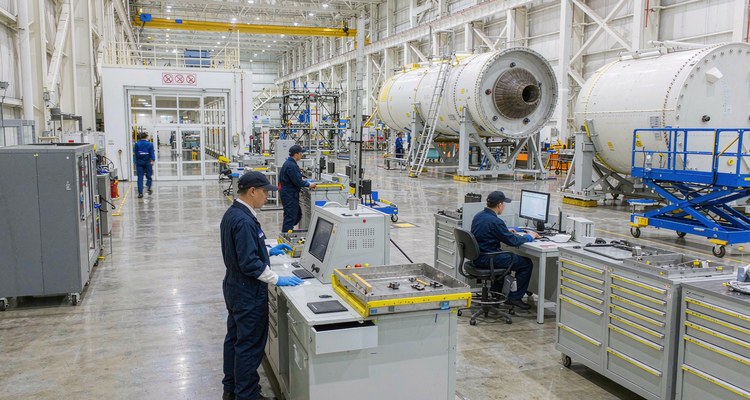
The Three Loops
Control loops a recovery line must close
A Smart Mobile Work Platform puts all three loops physically on the workstation that drives alongside the booster.
Loop 1 · People
Verified personnel access
Boarding the platform is identity-checked and auto-logged per shift. Turnaround crews change fast — access rights and records shouldn't rely on memory or clipboards.
Loop 2 · Things
Weighed tool & material flow
Tools, fasteners and consumables are weighed and logged on the way in and the way out. A missing mass reading is a missing part — caught before it becomes FOD inside flight hardware.
Loop 3 · Data
Digital process traceability
Digital e-cards replace paper: each work step, check-in and handover is time-stamped and queryable — the audit trail a flight-readiness review actually needs.
At the Work Zone
What the smart weighing gate actually does
Step
What happens
What gets logged
1 · Identify
Operator authenticates at the gate
Who, when, which shift
2 · Weigh in
Tool kit and materials weighed on entry
Itemized mass snapshot, bound to the operator
3 · Work
Crew works on the booster from the platform deck
E-card steps auto-logged as completed
4 · Weigh out
Weighing repeated on exit
Delta vs. weigh-in — anything unaccounted triggers a check
5 · Review
Supervisor or quality queries the record
Full audit trail, exportable per shift or per booster
The same loops serve any high-value hardware — aviation MRO runs the identical logic around airframes, where FOD discipline has been standard practice for decades.
Why Mobile Matters
Control at the point of work beats control at the door
No bypass path
When the gate rides on the platform, the work zone is the checkpoint — there's no side route between the tool crib and the booster.
Data stays with the job
Logs are bound to the work position and booster serial, so traceability doesn't depend on someone reconciling paperwork after the shift.
One vendor, one record
Platform, weighing gate, cabinets and kanban software come integrated — no stitching together three suppliers' data formats.
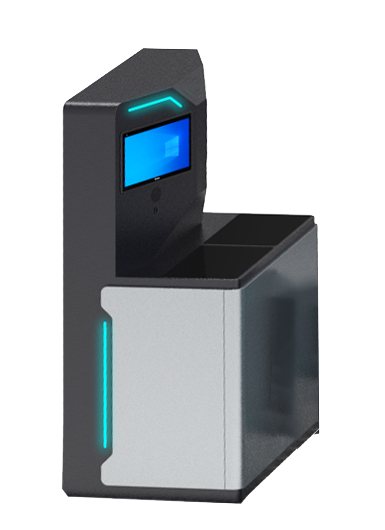
Closing the three loops on your recovery line?We map your flow in a free on-site survey and send a configuration suggestion — modules you don't need are not added.
Get a Free Config Suggestion
FAQ
Frequently asked questions
Hangar-door control sees people and kits at the building boundary — not what actually boards the work zone at height, shift after shift. Putting the weighing gate on the mobile platform moves the checkpoint to the point of work, where the real transfer happens.
Yes. Records are stored digitally and can be exported or integrated per your quality-system requirements. Control and software integration is one of the customizable dimensions we design to during the survey.
Very much. The same three loops — verified access, weighed tool flow, digital traceability — apply wherever high-value hardware is assembled or serviced: aircraft, spacecraft, rail vehicles and precision equipment.