For owners of high-end residential properties, security is not just about cameras and alarms. Those systems record intrusions — they do not prevent them.
A vehicle-driven intrusion takes less than thirty seconds from the moment a car breaches the gate to the moment it reaches the main house. Cameras capture it. Alarms announce it. But nothing physically stops it.
That is the gap automatic bollards are designed to fill.
Why Luxury Residential Properties Are Installing Automatic Bollards
Across the United States, from the Hamptons to Beverly Hills, luxury homeowners are moving beyond perimeter cameras and smart locks. The trend is toward physical access control — measures that stop a vehicle before it reaches the house.
Several factors are driving this shift:
1. Rise in vehicle-based intrusions. Gone are the days when intruders arrived on foot. Organized theft rings now use vehicles to breach gates, drive directly to the main residence, and exit within minutes. Standard residential gates — even heavy ornamental iron — are no match for a 2-ton SU V driven at speed.
2. Estate sprawl and longer driveways. Modern luxury properties often sit on multi-acre lots with driveways stretching 200 feet or more from the street to the house. That distance creates a security blind spot that only physical barriers can address.
3. Aesthetic integration. Todays high-end bollards are not industrial-looking security posts. Finishes in brushed stainless steel, bronze, or custom powder-coat colors allow bollards to blend seamlessly into architectural landscapes designed by renowned firms.
4. Smart home integration. Automatic bollards now interface with existing smart home systems. A homeowner can lower the bollard from a phone, a keypad at the gate, or a license-plate recognition camera. The same system that controls lighting and security cameras can now control vehicle access.
Where Bollards Make the Most Sense on a Residential Property
Not every entrance needs a bollard. But for these specific locations on a luxury property, the case is compelling:
- Main driveway entry. A single automatic bollard placed at the inner gate creates a hard stop even if the outer gate is breached. Vehicles cannot proceed past the bollard to the main house.
- Car court / motor court. Many luxury homes feature a paved motor court in front of the main entrance where vehicles are parked. A raised bollard prevents unauthorized vehicles from entering this space.
- Guest house or staff quarter access. Secondary driveways leading to guest houses or staff quarters benefit from independent bollard control, allowing selective access without compromising the main residence.
- Boat, RV, or equestrian trailer storage areas. Luxury properties with outbuildings or storage areas for recreational vehicles need controlled access to prevent theft of high-value equipment.
What to Look for in Residential Bollards
Residential installations have different requirements than commercial or municipal projects. Aesthetics matter as much as performance.
Key features for high-end residential:
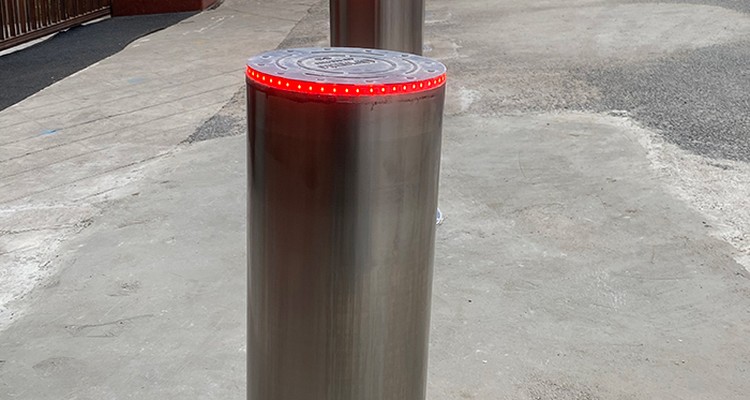
- Low-profile design. The bollard, when raised, should not dominate the landscape. Slim profiles (168mm diameter) maintain security without visual heaviness.
- Silent operation. Hydraulic systems designed for residential use operate quietly — no industrial-grade humming that disturbs the tranquility of the property.
- Custom finishes. Stainless steel 316 (marine-grade) resists corrosion in coastal properties. Bronze or custom RAL colors match the homes hardware and architectural details.
- Safety features. Twe years ago, a luxury property in Connecticut installed bollards without 36V low-voltage safety. A maintenance worker was injured during a wiring repair. The 36V DC systems now standard in residential installations remove this risk entirely.
- Integration readiness. Look for bollards that accept inputs from existing smart home systems — Control4, Savant, Crestron. The bollard should feel like part of the homes automation, not a separate industrial system.
UPARK Automatic Bollards for Residential Installations
UPARK bollards are specified by architects and security consultants for residential projects across North America and Europe. Three features make them particularly suited to high-end residential:
The 36V DC low-voltage system eliminates the need for high-voltage electrical permits — a significant advantage in jurisdictions where residential high-voltage work requires licensed electricians and inspection. The low-voltage system can be installed by the same contractor handling landscape lighting.
The 20-centimetre overlap between the rising post and the ground sleeve prevents water, ice, and debris from entering the mechanism. In residential installations, where maintenance staff may visit only weekly, this design detail prevents the most common cause of bollard failure: a jammed mechanism from debris or winter freeze.
And the hydraulic drive operates silently across a temperature range from minus 35 to plus 60 degrees Celsius. Whether the property is in Aspen or Palm Beach, the bollard performs without seasonal adjustment.
Frequently Asked Questions
Do automatic bollards require planning permission for residential properties?
In most US jurisdictions, installing a bollard on private residential property does not require planning permission, provided it is within the propertys boundaries and does not obstruct public right-of-way. HOAs may have aesthetic guidelines — consult your HOA before installation.
How much do residential automatic bollards cost in the United States?
Installed systems typically cost between $8,500 and $18,000 per unit, depending on the model, finish, and site conditions. For a typical luxury driveway requiring two bollards, total installation cost ranges from $17,000 to $36,000.
Can residential bollards integrate with existing smart home systems?
Yes. UPARK bollards accept dry-contact inputs compatible with Control4, Savant, Crestron, and most other major smart home platforms. Integration allows the bollard to be controlled from the same interface used for lighting, cameras, and gate access.
Are automatic bollards safe for households with children and pets?
Yes. The 36V DC system eliminates shock risk. UPARK bollards also include optional inductive loop vehicle detection, which prevents the bollard from rising when a vehicle, pet collar with RFID, or approved tag is detected within the safety zone.
Why Architects and Security Consultants Specify UPARK
For residential projects, the specification process typically begins with the architect or security consultant. UPARK provides CAD details, specification sheets, and BIM objects to support the design process. The 36V system simplifies the electrical specification. The finish options satisfy architectural review.
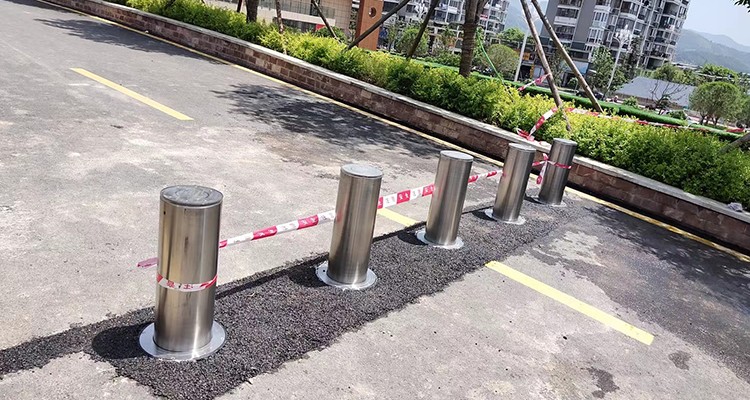
For homeowners, the benefit is day-to-day: one less thing to worry about. The bollard operates automatically, integrates with the homes existing systems, and requires no daily attention.
For luxury residential properties, security is not just about recording events. It is about preventing them. Automatic bollards are the only measure that physically stops a vehicle-based intrusion — and for high-end residential properties, that makes the difference between a secure home and a vulnerable one.
call us :
+86 18206096507 e-mail : [email protected]




 ipv6 network supported