Controlling which vehicles drive onto a site sounds straightforward until you have to buy the hardware. Three options show up in almost every specification: automatic bollards, boom barrier arms, and gates. They all stop cars, but they stop them in very different ways, and the wrong pick creates pro...
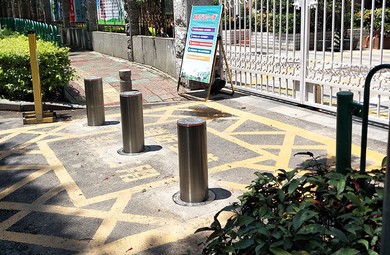
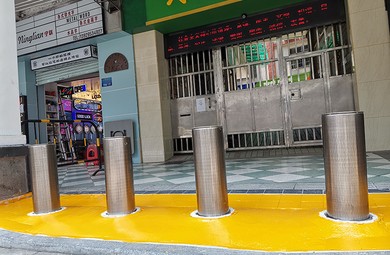
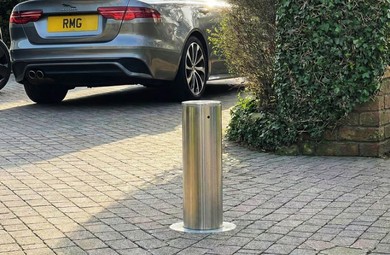
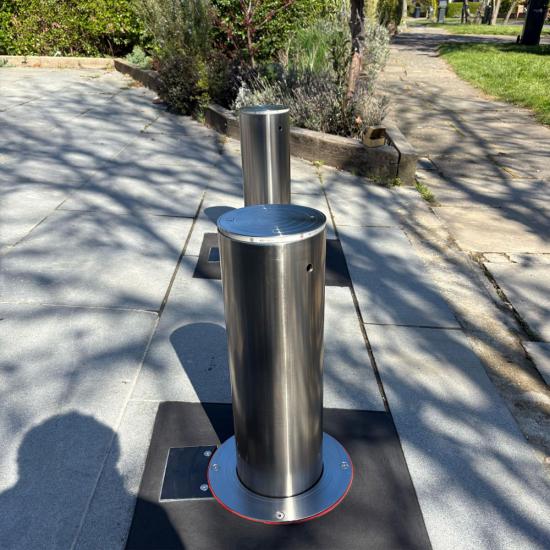
For a long time, security meant ugly. Concrete blocks, tall fences, and bollards that looked like they belonged in a car park. Planners and developers now want protection that does not wreck the character of a place. Retractable automatic bollards have become a quiet part of that shift, because they...
Automatic bollards stop vehicles, but they do not act alone. Behind every clean rise and fall is a control cabinet that decides when to move, how fast, and what happens when the power flickers. The WM-1 control cabinet is the linkage hub that turns a pair of standalone bollards into a single, coordi...
Teacher's Day is when we thank the people who spend their days with our kids. Cards, flowers, a nice lunch. All good. But the kind of safety that actually matters at a school isn't something you can wrap. It's the line at the edge of the pavement that keeps a two-ton vehicle from ever reaching the p...
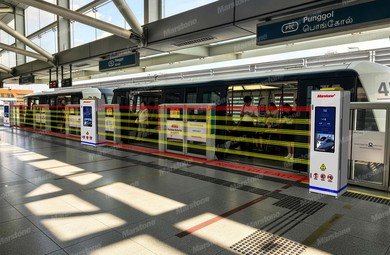
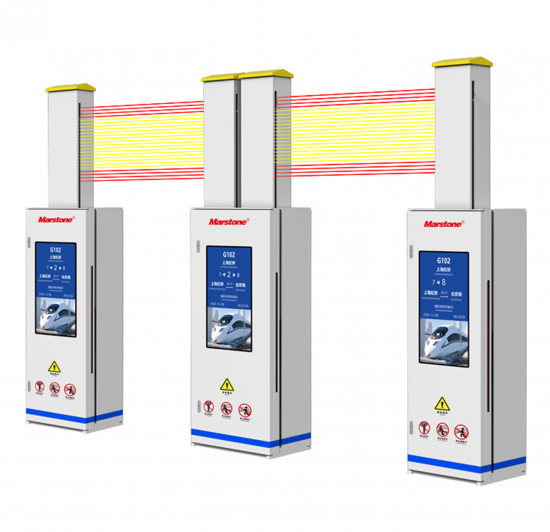
Most platform barriers take their cue from the signaling system. Train stopped at platform? Signaling says lower the barrier. Train leaving? Signaling says raise it. It is simple and it usually works. The problem is the word "usually." The single point of failure When barrier operation is wired to s...
For years, platform barriers have taken their cue from the signaling system to know when a train is at the platform. That works until the signaling system does not. A newer approach decouples barrier operation from train control entirely, using cameras and on-site artificial intelligence to make the...







 ipv6 network supported