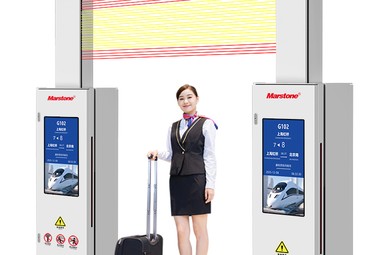
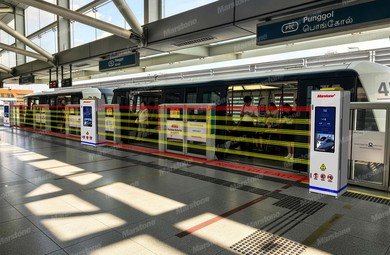
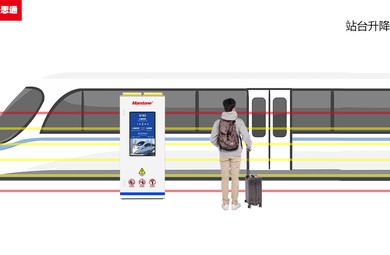
Most platform barriers take their cue from the signaling system. Train stopped at platform? Signaling says lower the barrier. Train leaving? Signaling says raise it. It is simple and it usually works. The problem is the word "usually." The single point of failure When barrier operation is wired to s...
For years, platform barriers have taken their cue from the signaling system to know when a train is at the platform. That works until the signaling system does not. A newer approach decouples barrier operation from train control entirely, using cameras and on-site artificial intelligence to make the...
People hear "AI camera" and picture a smart lens doing the thinking. The barrier vision system does the opposite. The cameras are deliberately simple. All the intelligence sits in one industrial computer nearby. This choice shapes the entire design. Cameras: simple on purpose The system uses standar...
The pattern repeats every year. A typhoon in the Western Pacific, a hurricane in the Atlantic, or a stalled monsoon front drops 200 mm of rain in a day. Drains cannot keep up, water sits where it has never sat before, and the equipment that fails first is the equipment nobody has looked at since las...
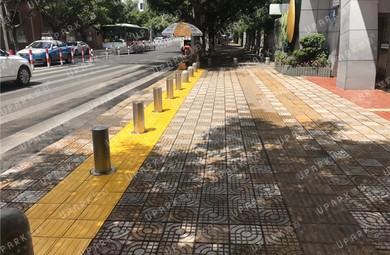
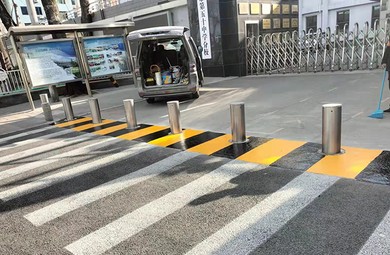
Torrential rain does something odd to a car park. Traffic slows down, and the damage gets worse anyway. Drivers crawling through a downpour are watching the tail lights ahead, not the kerb, the post, or the shopfront glass. A wet windscreen cuts contrast hard, and 30 mm of standing water hides anyth...
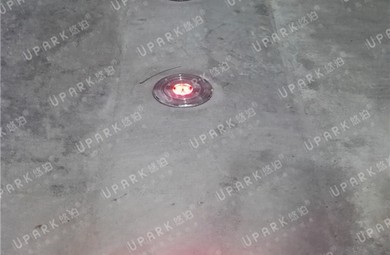
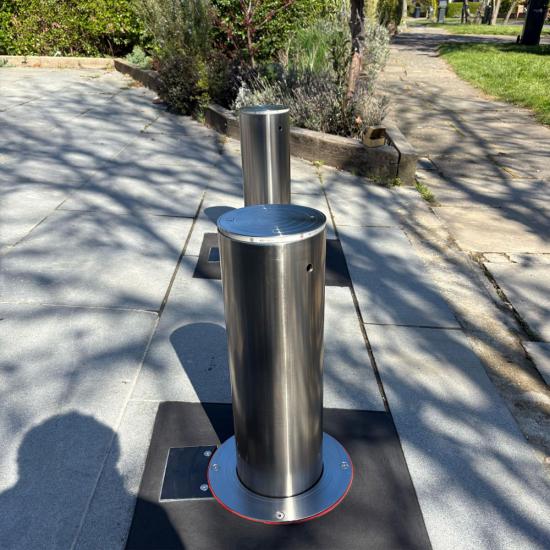
Storm season is predictable in the calendar and unpredictable in the details. You know roughly when the typhoons, hurricanes or monsoon rains will arrive. You never know which week will deliver 300 mm, which drain will block, or which piece of ground-level equipment will spend two days underwater. F...





 ipv6 network supported