Iceland's luxury residential market is unlike any other in Europe. A small, wealthy population of approximately 390,000 concentrated in the Reykjavik capital region has produced a distinctive property market shaped by Nordic design sensibility, geothermal energy infrastructure, and some of the most challenging weather conditions encountered in European residential environments.
The Icelandic luxury property market is shaped by the country's economic structure: tourism, aluminium smelting, fishing, and a growing technology sector have generated substantial private wealth. A strong cultural emphasis on architectural quality means that Iceland's most expensive residences are architecturally ambitious rather than simply large.
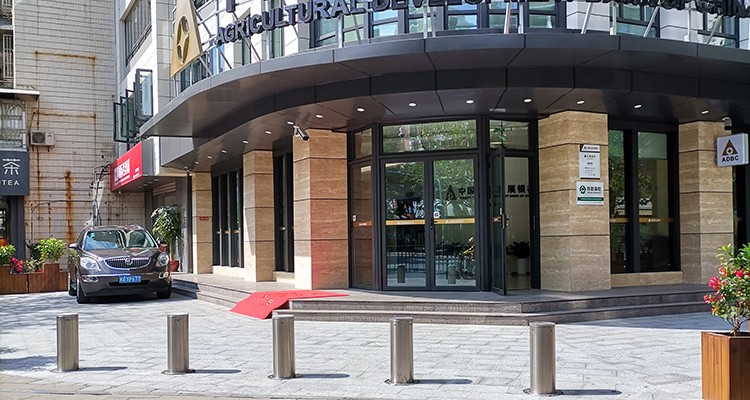
Two Icelandic Luxury Property Types
1. Reykjavik Coastal Properties. The capital region's most desirable residential addresses follow the coastline from Seltjarnarnes peninsula — where properties command views across the Faxaflói bay to the Snæfellsjökull glacier — through the Grótta area and around to the Reykjavik harbour district. These properties combine maritime exposure with proximity to the city's cultural and commercial centre.
2. Golden Circle and Countryside Estates. Beyond the capital region, a small number of significant country estates exist along the Golden Circle tourist route and in the agricultural hinterland of South Iceland. These properties serve as primary residences for farming families with substantial landholdings, or as luxury second homes for Reykjavik-based owners.
The Arctic Engineering Challenge
Iceland's climate presents the most demanding set of environmental conditions for any outdoor mechanical installation in Europe. Security and landscape architects working in Iceland report that product selection for external installations is dominated by one question: can it survive an Icelandic winter?
The answer requires addressing several simultaneous challenges:
- Extreme cold. Iceland's winter temperatures regularly fall to minus 15 degrees Celsius, with cold snaps approaching minus 25 in interior valleys. Coastal Reykjavik experiences milder but still severe conditions, with sustained freezing from November through March.
- Freeze-thaw cycling. Iceland's maritime climate produces frequent temperature oscillations around the freezing point. A single winter day can see temperatures swing from minus 10 to plus 2 and back, creating repeated freeze-thaw cycles that stress seals, mechanisms, and foundation materials.
- Wind loading. Iceland is one of the windiest countries in Europe. Sustained wind speeds of 50 kilometres per hour are common, with storm events regularly exceeding 100 km/h. Any ground-level installation must withstand wind-driven debris impact and pressure loading.
- Volcanic dust. Ash fall from eruptions — most recently the 2010 Eyjafjallajökull event — deposits fine abrasive particles that can infiltrate mechanical systems. Sealed mechanisms are essential.
Installation Considerations for Iceland
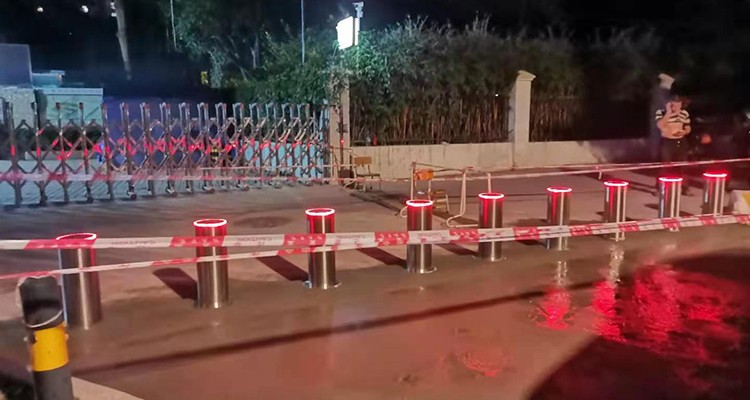
Iceland's unique geology and infrastructure create additional requirements:
- Geothermal ground temperature. Iceland's active geothermal system means that ground temperatures vary significantly across short distances. Installation sites near geothermal hotspots require heat-resistant foundation materials and may benefit from ground temperature assessment.
- Permafrost-affected areas. While Reykjavik is permafrost-free, properties in higher-elevation interior locations may encounter permafrost conditions that affect foundation stability and drainage.
- Basalt substrates. Iceland's bedrock is predominantly basalt — an extremely hard volcanic rock. Excavation for bollard foundations in areas with shallow bedrock can be technically demanding and costlier than in sedimentary geologies.
- Power supply. Iceland's electricity grid is notably stable and affordable, generated from 100 percent renewable sources. This makes electrical bollard power supply straightforward, though the 36V low-voltage system eliminates the need for grid-tied high-voltage connections.
Why Icelandic Homeowners Choose 36V
Iceland's electrical installations follow the Ragnar Fráðkötun framework harmonised with the European Low Voltage Directive. The 36V DC system's advantage is particularly pronounced in Iceland: it eliminates the need for weather-rated high-voltage junction boxes and the associated condensation risk that plagues standard installations in Iceland's humid coastal environment.
The sealed 20-centimeter overlap design addresses Iceland's freeze-thaw challenge directly. The overlap prevents water from entering the mechanism housing — water that would otherwise freeze, expand, and damage internal components through the dozens of freeze-thaw cycles experienced each winter.
UPARK Automatic Bollards for Icelandic Properties
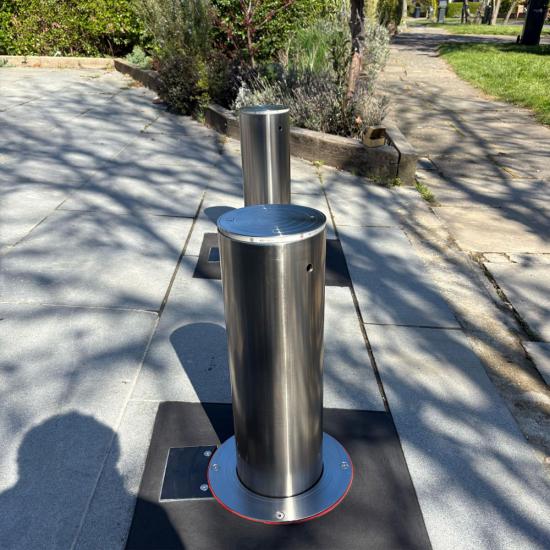
For Reykjavik coastal properties, UPARK bollards in brushed 316 stainless steel provide the corrosion resistance required by constant salt-spray exposure from the North Atlantic. The satin finish maintains its appearance through the worst that Icelandic weather delivers.
For countryside estates, the IP68-rated sealed mechanism provides complete protection against volcanic dust infiltration and ground moisture. The hydraulic drive operates reliably at temperatures down to minus 35 degrees Celsius — well within Iceland's recorded extremes.
The system integrates readily with Icelandic smart home installations. Iceland's technology-literate homeowners typically specify comprehensive home automation, and UPARK's standard dry contact interface connects directly to these systems.
Frequently Asked Questions
Do automatic bollards require permits in Iceland?
On private property within registered land boundaries, bollard installations do not typically require a separate building permit from the Byggðastofnun. Properties within the Reykjavik heritage conservation zone should confirm requirements with Minjavernd.
What is the installed cost of residential automatic bollards in Iceland?
Single bollard installed costs typically range from 12,000 to 20,000 ISK equivalent (approximately 8,000 to 14,000 EUR), depending on model, finish, and the complexity of basalt excavation. Two-bollard installations range from 16,000 to 28,000 EUR.
How do automatic bollards perform in volcanic ash conditions?
UPARK's sealed mechanism housing provides IP68 protection that prevents volcanic ash infiltration. Post-eruption cleaning of external surfaces restores full operation. The system has been tested in environments with significant particulate exposure.
Can automatic bollards operate during Icelandic winter storms?
Yes. The hydraulic mechanism and sealed electronics operate reliably in conditions down to minus 35 degrees Celsius and wind speeds exceeding 100 km/h. The low-profile retracted design minimises wind loading.
call us :
+86 18206096507 e-mail : [email protected]




 ipv6 network supported