Turkey's luxury residential market is anchored by Istanbul — a transcontinental metropolis of 16 million that straddles Europe and Asia across the Bosphorus strait. The city's unique geography, centuries of Ottoman heritage, and position as a bridge between Eastern and Western wealth flows create a luxury residential market unlike any other in Europe.
Istanbul's luxury property market is defined by three legendary address types: the Bosphorus waterfront yali mansions, the elevated garden districts of the European shore, and the island retreats in the Sea of Marmara. Each zone has its own architectural character, buyer profile, and security requirements.
Three Istanbul Luxury Property Zones
1. Bosphorus Waterfront Yalis. The yalis — Ottoman-era waterfront mansions lining both shores of the Bosphorus — represent the pinnacle of Turkish residential prestige. These multi-storey timber and stone mansions, many dating from the 18th and 19th centuries, command prices from 10 million to over 100 million USD. Their waterfront positions, private boat docks, and heritage status create security requirements that must balance physical protection with architectural preservation.
2. Bebek, Nişantaşı, and Etiler. Istanbul's elevated garden districts on the European shore house the city's contemporary luxury residential stock. Bebek, positioned on the Bosphorus between the two Bosphorus bridges, features modern concrete and glass villas alongside renovated wooden yalis. Nişantaşı, slightly inland, is Istanbul's most fashionable residential district, with tree-lined streets and luxury apartment buildings. Etiler offers modern villa compounds with security infrastructure already integrated.
3. Princess Islands — Büyükada and Heybeliada. The Princes' Islands in the Sea of Marmara offer a distinctive luxury category: car-free island living. Büyükada, the largest island, features grand Ottoman-era wooden mansions and contemporary villas accessed only by sea. The absence of motor vehicles creates a paradox: the security threat comes from the sea and from the limited ferry-access points, making perimeter control at the waterfront residence itself critically important.
The Seismic Imperative
Turkey sits on one of the world's most active seismic zones. The 1999 İzmit earthquake, which measured 7.6 on the Richter scale and caused over 17,000 fatalities, fundamentally transformed Turkish attitudes toward structural resilience. Every external installation on a residential property must account for seismic loading — bollards are no exception.
Security engineers working in Istanbul specify bollard installations with enhanced seismic considerations: deep foundations below the active soil layer, flexible connections that accommodate ground movement without fracture, and mechanisms that do not become projectiles during seismic events. The requirement is not merely that bollards survive an earthquake, but that they remain functional and safe during and after the event.
Installation Considerations for Turkey
Istanbul's geography and climate create a diverse set of installation conditions:
- Seismic foundation requirements. Istanbul's building codes mandate seismic-resistant design for all construction. Bollard foundations must extend to competent bearing strata and include reinforcement specifications that prevent overturning or displacement during seismic events.
- Bosphorus waterfront conditions. Waterfront yali properties sit directly on the Bosphorus shoreline, with groundwater tables at or near the surface. Marine-grade construction materials and waterproof foundation specifications are mandatory.
- Continental climate extremes. Istanbul experiences hot, humid summers with temperatures exceeding 35 degrees Celsius and cold winters with temperatures dropping to minus 5, accompanied by occasional snowfall. The annual temperature range, while less extreme than inland Anatolia, still demands durable material specifications.
- Heritage building restrictions. Turkey's preservation laws protect Ottoman-era structures and designated heritage zones. Properties in the Bosphorus yali zones are subject to review by the Preservation Board for Cultural and Natural Assets. External modifications must respect the heritage character of these structures.
Why Turkish Property Owners Choose 36V
Turkey's electrical installation standards are governed by the Turkish Standards Institution (TSE), based on IEC international standards. The 36V DC system operates below the low-voltage threshold, reducing regulatory complexity for residential installations.
In Turkey's context, the low-voltage advantage has a particular safety dimension: Istanbul's frequent summer thunderstorms and the seismic risk profile both create scenarios where electrical system integrity could be compromised. A 36V system presents minimal risk to residents and emergency responders even in worst-case electrical fault scenarios.
The sealed overlap design prevents Bosphorus groundwater and stormwater from infiltrating the mechanism — a critical requirement for waterfront installations where the water table sits centimetres below the surface.
UPARK Automatic Bollards for Turkish Properties
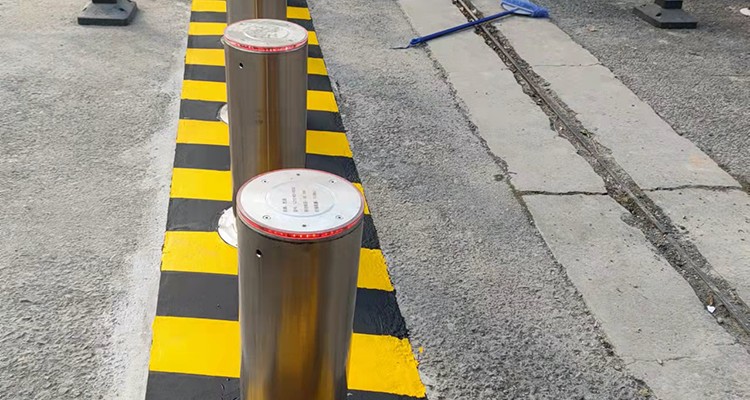
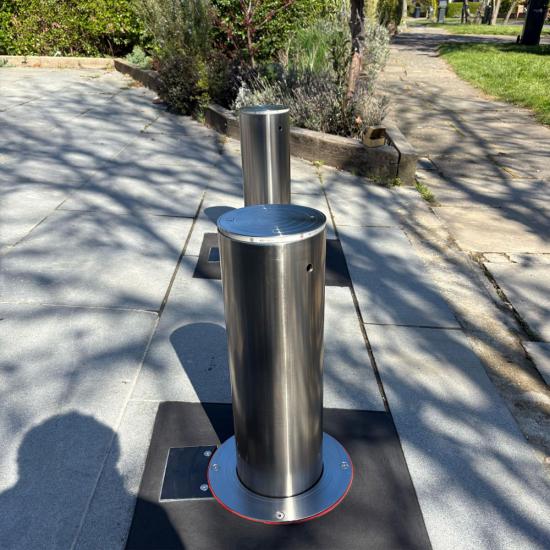
For Bosphorus waterfront yalis, 316 marine-grade stainless steel provides the corrosion resistance required by constant saltwater exposure. The satin finish offers the understated elegance appropriate to these heritage-sensitive properties. UPARK's compact installation footprint allows placement within the constrained spaces typical of yali forecourt areas.
For Bebek and Etiler modern villas, the standard UPARK hydraulic system provides reliable vehicle-stopping capability integrated with the comprehensive security systems standard in these properties. The system connects to Turkish and international access control platforms via standard dry contact and IP interfaces.
For Princess Island properties, UPARK bollards provide physical perimeter security at the residence entrance and at any vehicle-access points to the property compound — a critical function in an environment where the primary security perimeter is defined by the waterfront boundary.
Frequently Asked Questions
Do automatic bollards require permits in Turkey?
On private property within cadastral boundaries, bollard installations do not typically require a separate building permit. Properties in Bosphorus preservation zones or registered heritage structures require approval from the relevant Conservation Board.
What is the installed cost of residential automatic bollards in Turkey?
Single bollard installed costs typically range from 5,000 to 12,000 USD equivalent depending on model, finish, and site conditions. Bosphorus waterfront installations with enhanced waterproofing specifications may cost 15 to 30 percent more.
Are bollards suitable for Turkey's seismic zone?
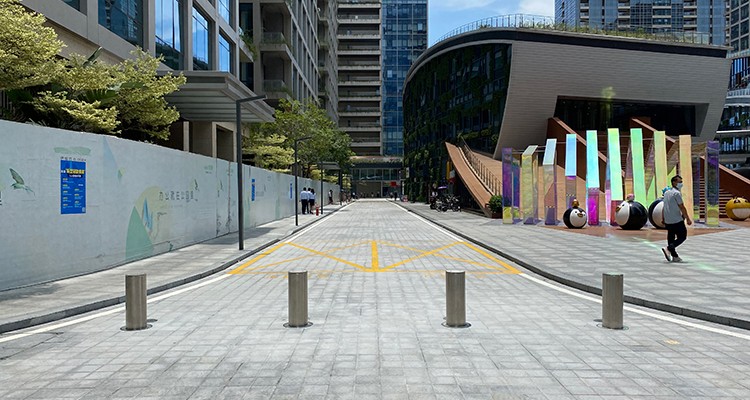
Yes. UPARK bollards can be installed with enhanced seismic foundation specifications, including deep anchoring, reinforcement, and flexible connections that maintain functionality during and after seismic events.
Can automatic bollards integrate with Turkish security systems?
Yes. UPARK bollards provide dry contact and IP interfaces compatible with the access control and intercom systems standard in Turkish luxury residential properties, including systems from both Turkish and international manufacturers.
call us :
+86 18206096507 e-mail : [email protected]




 ipv6 network supported