Summer is the worst time to find out your bollard was built for the showroom. Heat softens things, storms flood things, and coastal air eats metal. A post that quietly quits in a heatwave or a cloudburst is worse than no post at all, because people have already started trusting it. Here is what keeps an electromechanical bollard working when the weather turns rough.
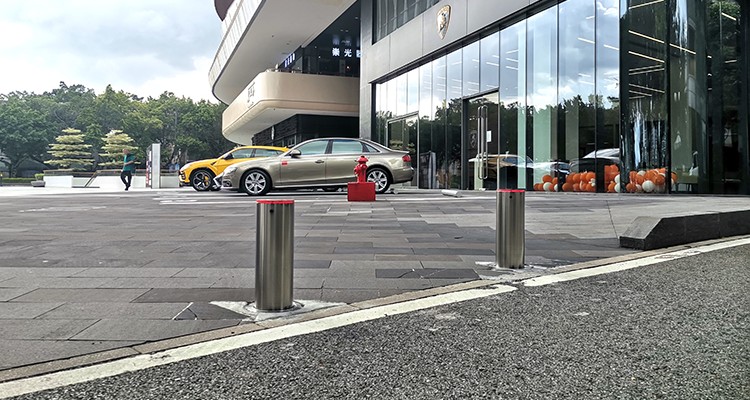
Heat and the drive
The weak point in most moving equipment is whatever fluid or pump has to keep running under load. UPARK uses a sealed electromechanical screw drive: a motor turns a lead screw that raises and lowers the post. There is no oil to thin, no pressurised line to burst, and no pump that overheats after a hot afternoon of constant cycling. Fewer parts in the heat means fewer reasons to fail.
Water and the rating
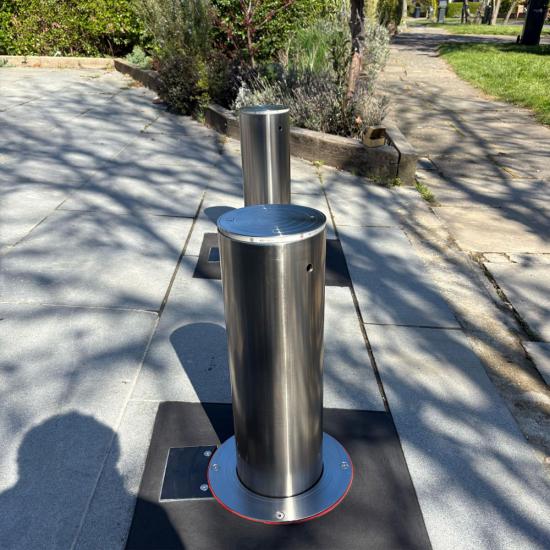
Storms are a given in summer, and a bollard lives half-buried where water collects. The drive casing is sealed to IP67/IP68, so rain, a car wash, or a flash flood around the post does not stop it. Because the unit is sealed and the control runs at low voltage, you also skip the drainage pit that older installs needed, which matters most in exactly the low-lying spots that flood first. The automatic bollards range is built this way.
Salt, sand and coastal air
Seaside towns are where bollards earn their keep and where cheap ones rust through in a season. A stainless or hot-dip galvanised casing shrugs off salt spray, and the sealed drive keeps grit out of the mechanism. Promenades, harbour fronts and beach-access roads all sit in that hostile band, so the housing choice matters as much as the motor inside it.
Power cuts during a storm
A summer storm often takes the grid with it. UPARK units carry a battery backup sized for several open or close cycles, and a closed post stays put with no power at all. So the barrier you rely on is still a barrier when the lights go out, and still opens for the fire engine if it has to. That is the difference between a gadget and infrastructure.
What to ask for on the spec
When you brief a supplier, look for four things: a sealed electromechanical drive, an IP68 rating, a low-voltage 36V control, and battery backup. Anything missing is a corner cut that the weather will find. Our engineering notes go deeper on how the units are tested, if you need the detail for a tender.
The bottom line
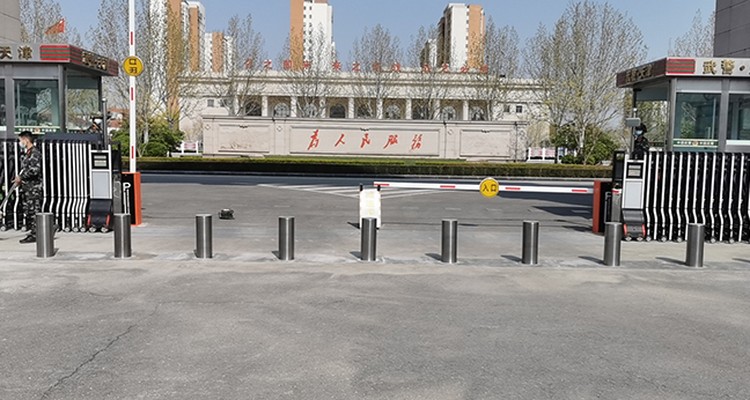
A bollard is outdoor furniture that has to move on command for years. Pick one rated for the worst week of summer, not the best, and it will still be lifting long after the cheaper post has seized in its sleeve.
call us :
+86 18206096507 e-mail : [email protected]




 ipv6 network supported