The Alarming Reality of Vehicle Theft in 2026
Vehicle theft has evolved from isolated opportunistic crimes into a highly organized global industry. In the first week of April 2026 alone, law enforcement agencies across multiple continents reported significant vehicle theft operations, highlighting the urgent need for comprehensive security solutions.
From Texas to Tokyo, criminals are employing sophisticated techniques including keyless relay attacks, OBD port manipulation, and coordinated international smuggling networks. The statistics paint a concerning picture that every vehicle owner and property manager should understand.
Key Statistics from April 2026
The scale of vehicle theft operations uncovered in early April 2026 demonstrates the sophistication of modern criminal networks. In Texas, authorities intercepted two semi-trucks carrying six stolen luxury vehicles valued at nearly $500,000, with suspects planning to transport the vehicles to Honduras. Meanwhile, in Australia's Victoria state, police arrested 12 individuals and recovered four stolen vehicles in a coordinated operation targeting organized theft rings.
Global Theft Hotspots
The Evolution of Theft Techniques
Modern vehicle thieves have moved beyond traditional break-ins. In the United Kingdom, keyless relay attacks now account for 56% of all vehicle thefts, surpassing conventional methods. Criminals use electronic devices to capture and amplify key fob signals, allowing them to unlock and start vehicles without physical keys.
In Australia, Victoria Police seized 800 OBD (On-Board Diagnostics) port devices in 2024 alone. These tools, originally designed for legitimate vehicle maintenance, enable thieves to program blank keys by accessing the vehicle's computer system through the OBD port. Popular targets include Subaru Impreza, Holden, and Toyota models with push-button start systems.
Organized Crime and International Networks
Perhaps most concerning is the organized nature of modern vehicle theft. European authorities have documented sophisticated networks that can move stolen vehicles from European cities to West Africa or Eastern Europe within 24 hours. The Port of Antwerp in Belgium intercepted 60 stolen vehicles destined for export in 2025 alone, highlighting the role of major shipping hubs in international vehicle trafficking.

In the United States, the recovery of vehicles bound for Central America demonstrates the hemispheric reach of these criminal enterprises. The Texas case involving suspects from Honduras operating out of Louisiana illustrates the cross-border coordination required for such operations.
Why Physical Security Remains Essential
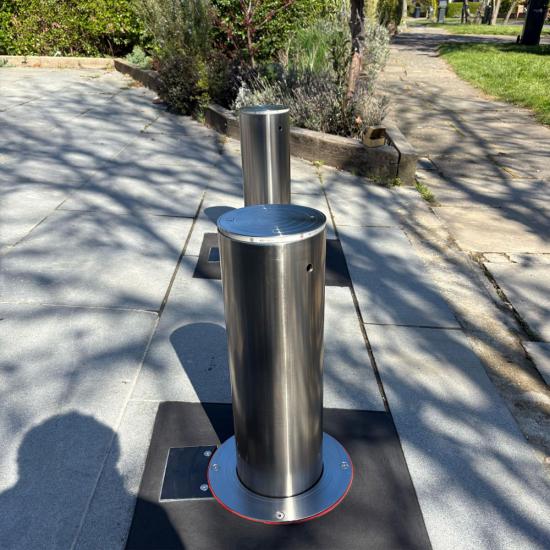
While electronic security systems play a crucial role, the 2026 theft statistics demonstrate that physical barriers remain the most effective deterrent against vehicle theft. Unlike electronic systems that can be bypassed through signal interception or computer hacking, automatic bollards and physical access control systems provide a tangible obstacle that cannot be remotely compromised.
For commercial properties, residential complexes, and high-value vehicle storage facilities, integrating automatic bollards with existing security infrastructure creates a multi-layered defense system. When combined with surveillance cameras, access control systems, and proper lighting, physical barriers significantly reduce the attractiveness of a target for organized theft operations.
Protective Measures for Vehicle Owners
Based on the latest theft trends, vehicle owners and property managers should consider the following protective measures:
Install OBD port locks to prevent unauthorized diagnostic access
Use signal-blocking pouches for key fobs when not in use
Implement physical access control systems such as bollards for parking areas

Install GPS tracking systems for rapid recovery in case of theft
Ensure adequate lighting and surveillance in parking areas
Consider fixed bollards or removable bollards for perimeter security
Looking Ahead
As vehicle theft techniques continue to evolve, the importance of comprehensive security strategies becomes increasingly clear. The April 2026 incidents serve as a reminder that protecting vehicles requires both technological solutions and physical barriers. For property developers, facility managers, and vehicle fleet operators, investing in robust access control systems is not merely a precaution—it is an essential component of modern asset protection.
The data from the first quarter of 2026 suggests that vehicle theft will continue to rise globally, driven by organized criminal networks and advancing theft technologies. Proactive security measures, particularly those incorporating physical access control, remain the most reliable defense against this growing threat.
UPARK Product Links
Automatic Bollards - Ideal for commercial and residential parking security
Fixed Bollards - Permanent perimeter protection solutions
Removable Bollards - Flexible access control for variable security needs
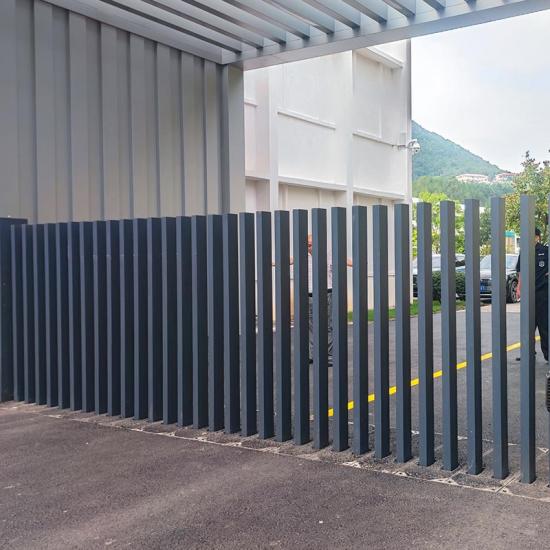
Automatic Fence Gates - Comprehensive perimeter security systems
call us :
+86 18206096507 e-mail : [email protected]




 ipv6 network supported