Hot weather is tough on outdoor equipment. Temperatures above 35C, asphalt radiating heat, direct sun for hours - this kind of environment separates systems that were built for it from those that just tolerate it.
We get asked a lot about bollard choices for warm climates. After seeing both hydraulic and electromechanical systems run through summer conditions, there are some clear differences worth knowing before you buy.
What Happens to Hydraulic Bollards in Summer
The problem with hydraulic systems in heat is simple: oil expands when it gets hot. In a sealed hydraulic circuit, that expansion creates pressure changes that the system was not designed for at normal temperatures.
In practice, this shows up as sluggish operation during the hottest part of the day. The bollard moves slower going up, inconsistent coming down. Seals start taking more stress than usual, and hot hydraulic fluid degrades rubber components faster than cool fluid does.
The maintenance side gets messier too. Fluid levels need checking more often in summer. Seal inspections go from routine to necessary. If something does go wrong - a small leak, a seal failure - the repair happens in the worst possible conditions: a hot day, an occupied parking facility, and equipment that needs to be taken offline.
Why Electromechanical Systems Are Different
Electromechanical bollards use a motor and gearbox. There is no fluid, no pressure circuit, no seals holding back liquid under thermal stress. When the motor runs, the bollard moves. The speed and behavior stay the same whether it is 8am or 2pm in August.

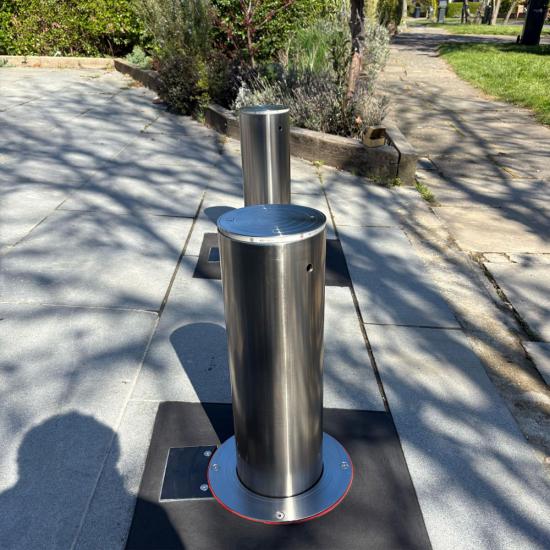
Our automatic electromechanical bollards are rated for -40C to +70C. That range covers everywhere from northern Europe to the Gulf region without any special modifications.
The maintenance difference is also significant. There is no fluid to check, no pressure to bleed, no leak risk. A visual inspection once in a while is about all you need during normal summer operation.
Side-by-Side: Summer Performance
The Cost of a Summer Failure
A bollard that stops working on a hot afternoon is not just an inconvenience. At a busy parking entrance, it creates an immediate traffic problem. Access control breaks down. Staff have to manage the situation manually.
Emergency service calls in summer are expensive - technicians are busy, parts may not be on the shelf, and downtime stretches longer than it would during quieter seasons. Clients who switched from hydraulic to electromechanical after a summer failure usually say the same thing: the repair bills from one bad summer would have paid for the upgrade.

Energy Use in Hot Weather
This one is easy to overlook. Hydraulic systems run their pump motor continuously, whether the bollard is moving or not. In summer, when every facility is running air conditioning and energy costs are already high, that continuous draw adds up.
An electromechanical bollard draws power for 3-6 seconds per cycle, then goes idle. Across a facility with multiple bollards and high daily traffic, the difference over a summer season can be measurable on your electricity bill.
Where This Matters Most
Some locations amplify summer heat more than others. Dark asphalt surfaces, enclosed parking structures with limited airflow, south-facing installations with no shade - these all push temperatures higher than the ambient air reading suggests.
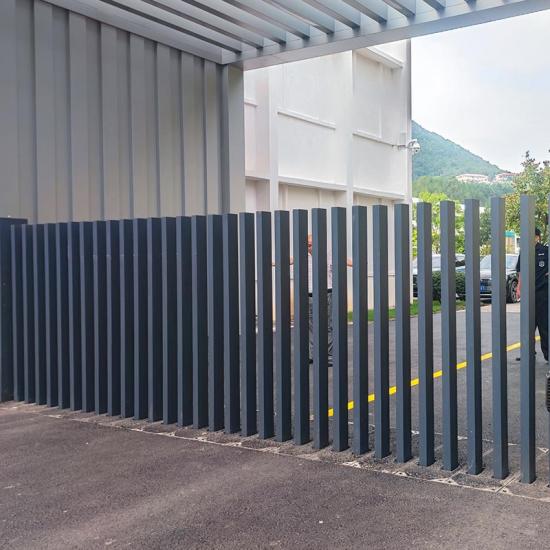
For facilities combining multiple security elements - bollards alongside fence gates or barrier systems - keeping all components on the same electromechanical platform also simplifies maintenance. One service schedule, one set of components to stock, one type of failure mode to plan for.
Switching from Hydraulic
If you already have hydraulic bollards and summer is causing problems, retrofitting is usually possible. Electromechanical drives can replace hydraulic mechanisms in most existing installations. For new projects, we recommend starting with electromechanical as the default, especially if the site gets significant sun exposure or is in a warm climate region. Both our removable bollards and permanent fixed options use electromechanical drives for exactly this reason.
If you want to talk through options for a specific site, get in touch. Whether you need a single parking barrier or a full bollard installation, we can help you pick a system that handles summer without drama.
call us :
+86 18206096507 e-mail : [email protected]




 ipv6 network supported