School safety has become a top priority for districts across the country. Security cameras and access control systems get most of the attention, but automatic bollards at school entrances are gaining traction. These retractable barriers have proven to be effective at protecting students and staff from vehicle-based threats while keeping traffic moving during arrival and dismissal times.
The Growing Need for Vehicle Access Control
School campuses face unique security challenges. Unlike office buildings or government facilities, schools need to balance tight security with welcoming environments. Traditional security measures like fences and gates can make schools feel like fortresses, and they do not always stop determined threats.
Vehicle ramming incidents at schools have made headlines in recent years. Whether intentional attacks or accidental crashes, vehicles entering pedestrian zones pose serious risks. The National Center for Education Statistics reports that school safety concerns continue to rise among parents and administrators.
Why Schools Are Choosing Automatic Bollards
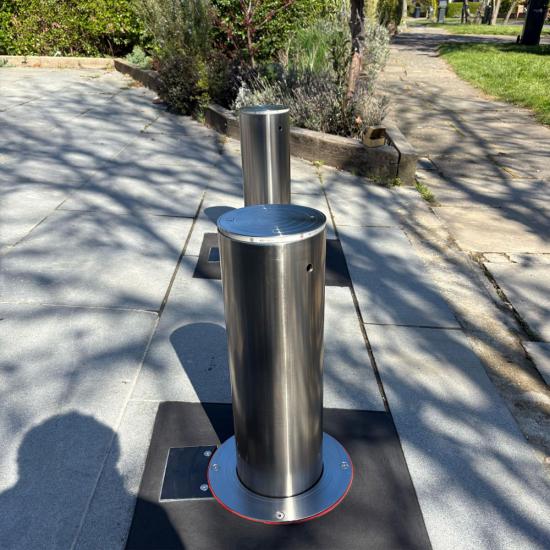
Automatic bollards offer something that static barriers cannot: flexibility. During school hours, they rise to block unauthorized vehicles from entering pedestrian areas. During drop-off and pickup times, they lower to allow controlled vehicle access. This adaptability makes them ideal for school environments where access needs change throughout the day.
Unlike permanent concrete barriers, automatic bollards do not create an unwelcoming atmosphere. When retracted, they sit flush with the ground, maintaining the open feel that schools want. When extended, they provide crash-rated protection that meets ASTM standards for vehicle barriers.
Key Benefits for Educational Institutions
Controlled Access Points
Schools can designate specific entry points for buses, staff vehicles, and visitors. Bollards ensure that only authorized vehicles enter at the right times, preventing confusion and reducing the risk of unauthorized access.
Emergency Response Capability

In emergency situations, bollards can be quickly lowered to allow first responder vehicles immediate access. This matters when every second counts. Many systems connect directly with school security systems and local emergency services.
Pedestrian Safety Zones
By creating clear boundaries between vehicle and pedestrian areas, bollards help protect students during arrival and dismissal times when traffic is heaviest. This is especially important for elementary schools where young children may not always pay attention to traffic.
Deterrence Factor
Visible security measures like bollards serve as a deterrent. Potential threats see that the school has taken steps to prevent vehicle access, which can discourage planning of vehicle-based attacks.
Real-World Implementation
Schools across different regions have implemented bollard systems. Elementary schools often install them at main entrances to create secure drop-off zones. High schools use them to control parking lot access and protect outdoor gathering areas. Universities deploy them to secure pedestrian malls and plaza areas while allowing service vehicle access when needed.
The installation process typically involves site assessment, utility marking, and foundation work. Most school installations can be completed during summer break or holiday periods to minimize disruption. Modern bollard systems use low-voltage DC power, making them safer to operate around children and reducing electrical infrastructure requirements.
Cost Considerations and ROI
The initial investment in automatic bollards is significant, but many schools find the long-term benefits justify the cost. Compared to staffing additional security personnel or rebuilding after a security incident, bollards offer permanent protection with minimal ongoing maintenance costs.

Insurance providers increasingly recognize the value of physical security measures. Some schools report premium reductions after installing certified vehicle barrier systems. Many states also offer school safety grants that can offset installation costs.
Integration with Existing Security Systems
Modern automatic bollards work as part of security ecosystems. They can connect to access control systems, video management platforms, and emergency notification systems. This integration allows security staff to monitor and control bollards remotely, receiving alerts if a bollard is impacted or malfunctioning.
Some advanced systems include automatic number plate recognition, allowing authorized vehicles like school buses and staff cars to enter without manual intervention. Visitor vehicles can be granted temporary access through the main office.
Choosing the Right System for Your School
When selecting bollards for school applications, several factors matter. Crash rating should match the threat assessment for your specific location. Operating speed affects traffic flow during busy periods. Safety features like emergency lowering and obstacle detection protect students and staff.
Schools should also consider maintenance requirements. Systems with sealed electromechanical operation typically require less maintenance than hydraulic alternatives, an important factor for districts with limited facilities staff.
Conclusion
Automatic bollards represent a practical approach to school security that addresses real threats without compromising the welcoming environment that schools strive to maintain. As safety concerns evolve, more districts are recognizing that physical security measures like bollards are essential components of comprehensive campus protection strategies.
For schools evaluating their security infrastructure, automatic bollards deserve consideration. They provide protection where it matters most: at the boundary between the street and the spaces where students learn and play.
UPARK Product Links
Learn more about our automatic bollards designed for school and campus security applications. For flexible access control options, explore our removable bollards for areas with occasional vehicle access needs.
call us :
+86 18206096507 e-mail : [email protected]




 ipv6 network supported