Hospital Access Management: Protecting Emergency Lanes
Hospital Access Management: Protecting Emergency Lanes
Every minute counts in a hospital. When an ambulance arrives, the last thing anyone needs is a vehicle blocking the emergency entrance. Yet this happens more often than people realize.
Hospital security teams balance a difficult equation. They must keep traffic flowing for staff, patients, and suppliers while maintaining clear paths for emergencies. Traditional barriers create their own problems—fixed gates slow everything down, manual posts require constant staffing.
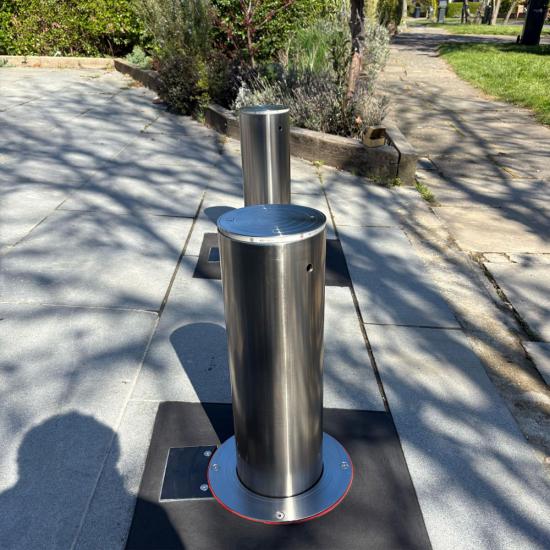
Automatic bollards solve this paradox.
Emergency departments face unique access challenges. Walk-in patients arrive at all hours. Delivery trucks need scheduled access. Staff parking sits nearby. Family members crowd the entrance. Somewhere in this chaos, ambulances must always get through.
Fixed barriers cannot handle this complexity.automatic bollardscan.
A hospital can program access schedules that match their real operations. Emergency lanes stay open during peak hours. Delivery windows open at specific times for supply trucks. When an emergency arrives, control room operators lower the bollards in seconds.
Many hospitals pair this with parking barriers for layered security. Vehicles face two checkpoints before reaching sensitive areas. The combination creates defense in depth without creating bottlenecks.
Regulatory compliance matters in healthcare settings. Insurance carriers increasingly require documented vehicle mitigation measures. Hospitals that cannot demonstrate protection may face higher premiums or coverage gaps.
Automatic bollards tested to standards like IWA 14-1 provide that documentation. Certified products have actually stopped test vehicles. That proof carries weight with insurers and regulators.
Visitor management becomes simpler with controlled access. Instead of relying on security guards to direct traffic, the physical infrastructure handles most scenarios automatically. Staff can focus on patient care rather than traffic control.
Installation requires planning. Hospital foundations may contain underground utilities, medical gas lines, or existing infrastructure. Professional site assessment prevents costly surprises during installation.
Maintenance considerations differ from outdoor applications. Hospital bollards may need more frequent cleaning due to higher foot traffic. Electromechanical systems often require less maintenance than hydraulic alternatives in these settings.
The investment pays back through multiple channels. Lower security staffing costs. Reduced insurance premiums. Fewer emergency access incidents. Better patient and visitor satisfaction scores.
Most hospitals see payback within three to four years.
Modern healthcare facilities cannot afford security gaps. The liability exposure alone makes proper access control essential. Add operational efficiency gains and the business case becomes clear.
Automatic bollards give hospital security teams the flexibility they need. Open when required, secured when necessary, controlled from a central location. The technology handles what guard staffing alone cannot.
When lives depend on fast response times, access control infrastructure matters as much as medical equipment. Hospitals investing in proper bollard systems are investing in patient outcomes.
call us :
+86 18206096507 e-mail : [email protected]




 ipv6 network supported