Hydraulic Integrated vs. Separate Unit Bollards: Which One Does Your Project Need?
The Fundamental Design Choice in Hydraulic Bollards
When specifying hydraulic automatic bollards, one of the first decisions is whether to use an integrated (all-in-one) unit where the hydraulic pump and oil reservoir are built inside the bollard casing, or a separate-unit system where the hydraulic power pack is remotely located and connected via hydraulic hoses.
Both designs have legitimate use cases. Choosing wrong can lead to higher installation costs, maintenance difficulties, or insufficient hydraulic power for the application.
Hydraulic Integrated Bollards (All-in-One)
How They Work
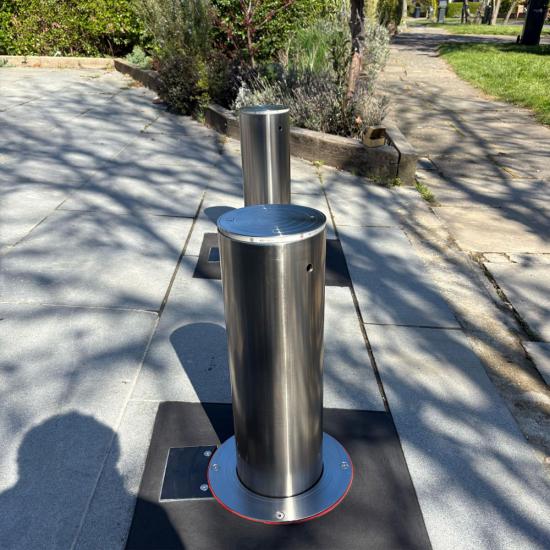
The hydraulic pump, motor, oil tank, and control valve are all housed within the bollard's underground casing. Each bollard is self-contained — no external hydraulic connections required.
Advantages
Simplified Installation: No hydraulic piping between bollards; each unit is installed independently
Reduced Leak Risk: No long hydraulic hoses running underground; fewer connection points
Independent Operation: One bollard failure doesn't affect others on the same circuit
Compact Footprint: No separate power pack room or cabinet required
Limitations
Higher Unit Cost: Integrating hydraulic components increases per-bollard manufacturing cost
Service Access: Maintenance requires opening each bollard casing individually
Power Density: May have lower hydraulic power for very fast rise times in large-diameter bollards
Separate Unit (Remote Power Pack) Bollards
How They Work
A central hydraulic power unit (HPU) located in a remote cabinet or equipment room drives multiple bollards through buried hydraulic hoses. One pump serves 2-10 bollards depending on system design.
Advantages
Lower Cost at Scale: One central pump serves multiple bollards; lower total system cost for 4+ bollard installations
Easier Maintenance: All hydraulic components accessible from one service location
Higher Hydraulic Power: Central pump can be sized for very fast rise times even with large bollards
Equipment Room Protection: Hydraulic components protected in climate-controlled room
Limitations
Hydraulic Piping Complexity: Buried hoses require careful installation and leak detection planning
Single Point of Failure: HPU failure disables all connected bollards
Higher Excavation Cost: Trenches for hydraulic hoses increase installation labor
Decision Guide: Which One to Choose?
1-2 bollards: Integrated (lower installation cost)
4+ bollards in close proximity: Separate unit (lower total cost)
High water table / poor drainage: Separate unit (HPU above ground)
Heritage / aesthetic-sensitive sites: Integrated (smaller above-ground footprint)
Very fast rise time required (<1.5s): Separate unit (higher power)
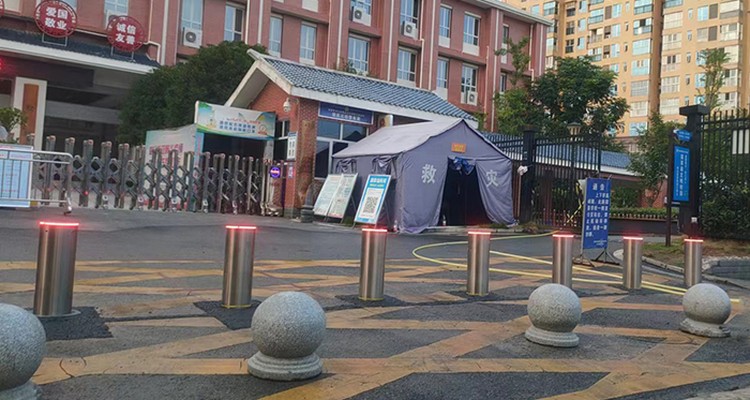
UPARK Integrated Hydraulic Bollard Solution
UPARK specializes in integrated hydraulic bollard designs that eliminate the drainage and piping headaches of traditional separate-unit systems. Our 36V DC hydraulic integrated bollards feature IP67 waterproof rating, built-in control electronics, and no external hydraulic hoses — making them the preferred choice for architects, contractors, and facility managers who value installation simplicity and long-term reliability.
call us :
+86 18206096507 e-mail : [email protected]




 ipv6 network supported