Every building code says the fire lane stays clear. Every car park ignores it by Wednesday. The gap between the rule and the reality is where emergencies go wrong, because a fire crew delayed by a parked car is not a fine, it is lost minutes. A bollard does not write a ticket; it physically removes the space to park, then drops flat the moment the engine needs through. That is the only enforcement that works at 3 a.m. with no warden in sight.
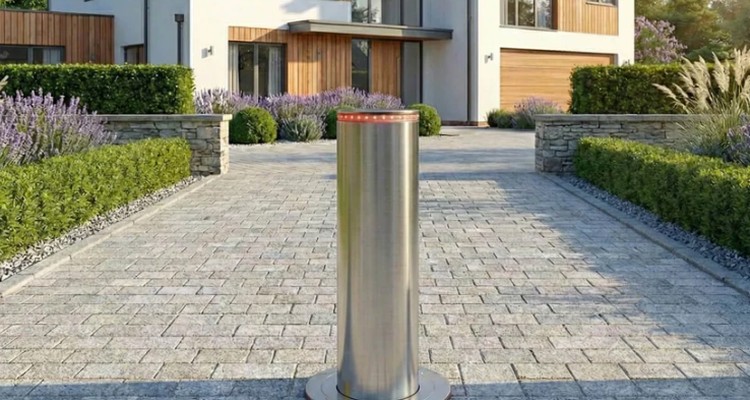
The real cost of a blocked lane
A single car across a fire access road can force a pump appliance to stop short and run hose the long way round, or block the only turn a ladder truck can make. Codes are strict and penalties exist, but a painted line relies on the driver caring, and most do not. When the building is burning, the line is just paint.
A post beats a parking ticket
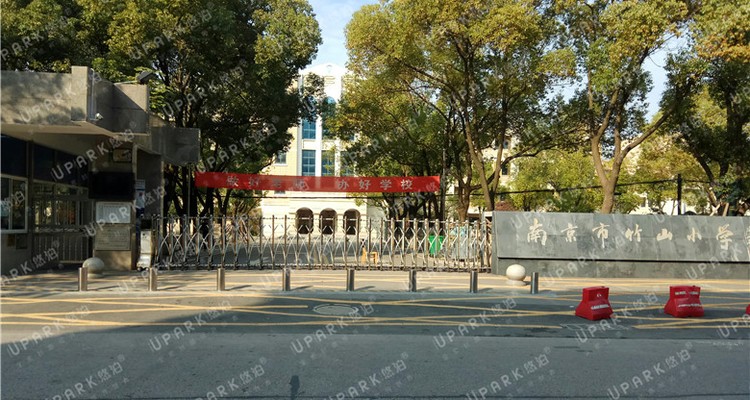
A raised automatic post simply cannot be parked on, so the lane stays a lane. Authorised vehicles, grounds crews and the fire service get it lowered on command; everyone else meets a post they will not bump. The automatic bollards range is built to sit up day after day and drop in seconds when signalled.
The emergency logic
Wire the row to a fire panel, a key switch or a remote trigger. On alarm, the whole line drops together so engines reach the façade directly, then rises again once the scene is clear. No guard runs out in smoke to lift anything; the barrier responds to the signal. For the perimeter that should never move, a run of fixed bollards protects the building edge while the automatic row guards the access mouth.
Low voltage, no trench in a lived-in site
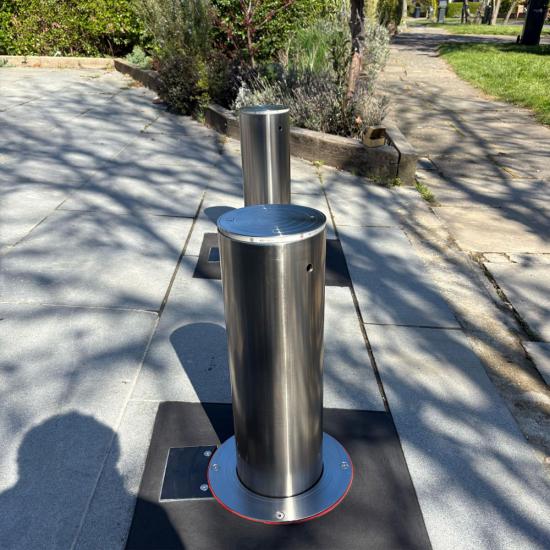
Fire lanes run past homes, bins and buried services, exactly where a 220V trench is unwelcome. UPARK units run on 36V DC with a sealed IP67 drive and need no drainage pit, so a retrofit into an existing estate is a weekend, not a dig. That is the build that gets permission in a occupied block instead of a fight with the residents.
Pairing with site management
A housing or estate manager can grant a temporary drop for a delivery or a inspection van through the same control, so the lane is enforced without becoming a wall to legitimate users. When the layout is still taking shape, our team can walk through the UPARK approach to layered access control.
The bottom line
You cannot watch a fire lane every hour. A bollard line does, quietly, and opens the instant it matters. For a site whose worst day depends on that road being clear, a post is the cheapest insurance on the kerb.
call us :
+86 18206096507 e-mail : [email protected]




 ipv6 network supported