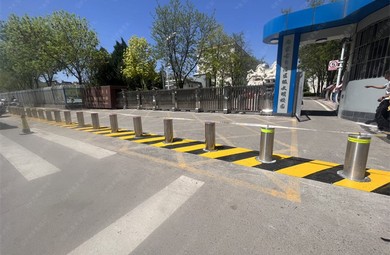
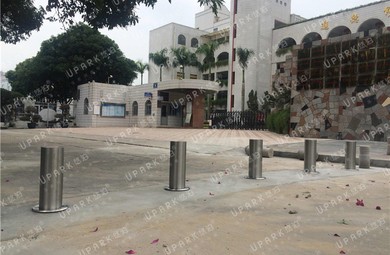
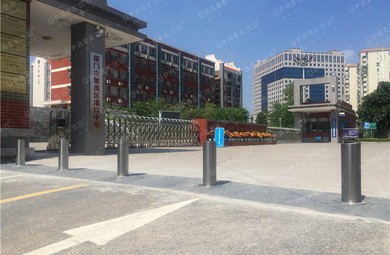
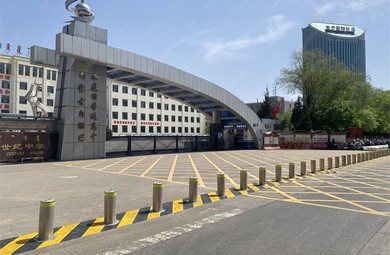
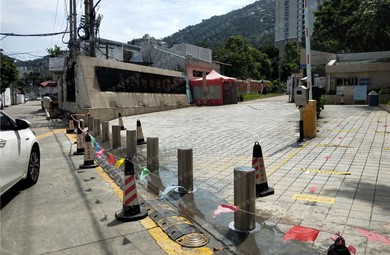
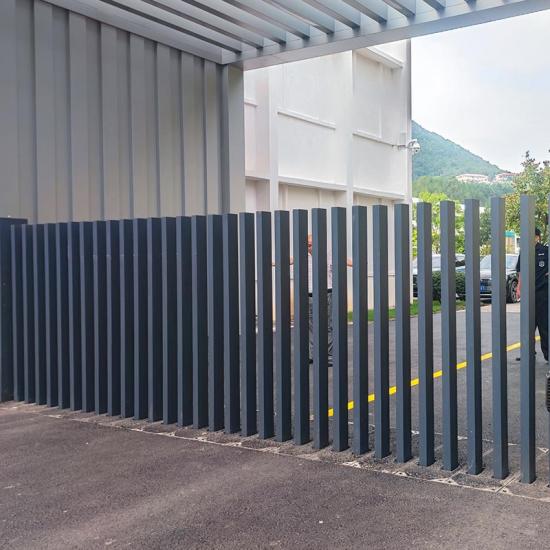
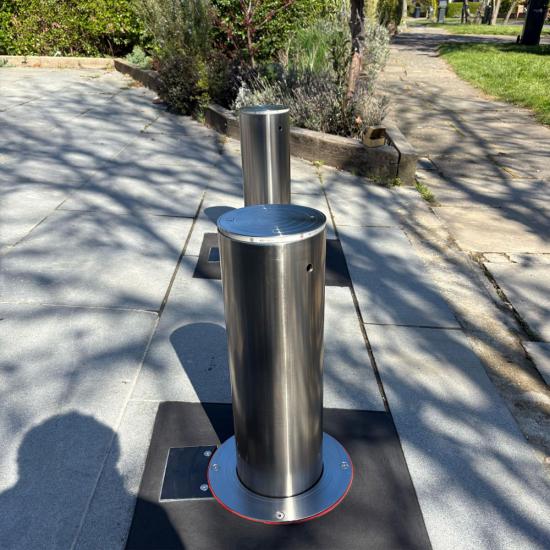
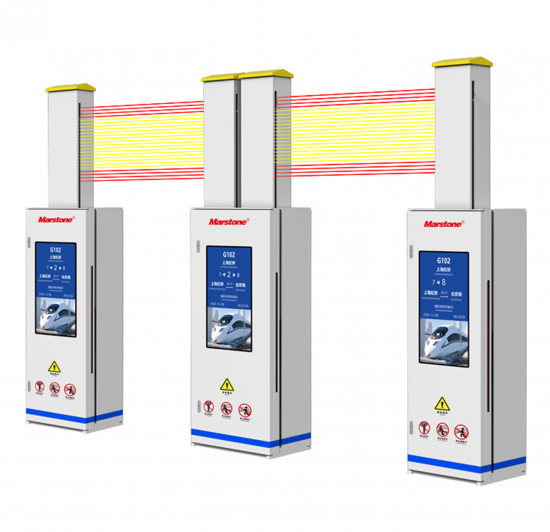
Parking lots face a unique combination of challenges: high vehicle turnover, pedestrian traffic, and the constant risk of unauthorized access. Automatic bollards have become the go-to solution for parking facility managers who need reliable, low-maintenance access control. Unlike traditional barrier...
Logistics parks and distribution centers combine the highest vehicle traffic volumes of any commercial environment with the constant presence of pedestrians doing time-sensitive work. Forklifts, heavy trucks, and delivery vehicles operate in close proximity to staff on foot, often in spaces with lim...
One of the first questions buyers ask when comparing bollard suppliers is how long the product will last. It is a fair question. Bollards are buried in concrete, wired into electrical systems, and expected to function in all weather for years. Replacing them is not cheap or convenient. So what is a ...
Hotel entrances handle a complex mix of traffic: guests arriving by private car, taxis and ride-share vehicles, shuttle buses, delivery trucks, emergency vehicles, and pedestrians — often all at the same time. Bollards provide the physical access control layer that lets security staff manage this co...
Before committing to automatic bollard installation, facility managers and procurement teams often ask: what are the ongoing electricity costs? The answer might surprise you — automatic bollards are among the most energy-efficient access control solutions available. How Electric Bollards Use Power A...
One of the most common questions in bollard planning is how far apart the bollards need to be. The answer depends on what you are trying to stop and what you need to let through. Get the spacing wrong in either direction and you either block legitimate users or leave gaps that defeat the security pu...