Traditional bollard installation means dealing with drainage systems, hiring certified electricians, and planning around weather delays. These problems slow down projects, cost more money, and create regular maintenance work. Sealed electromechanical bollards remove most of these headaches. Here's how.
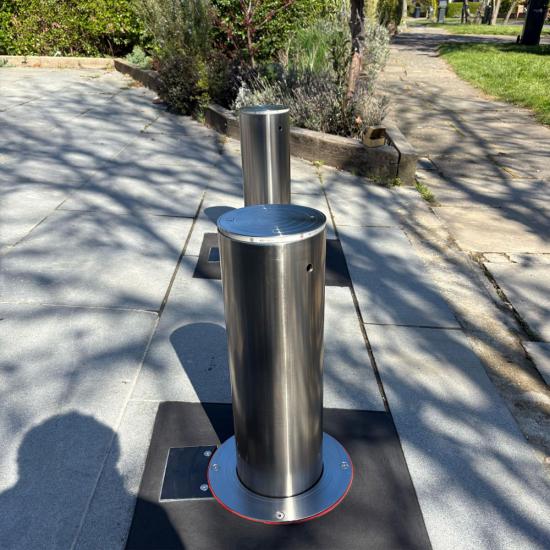
Sealed bollards don't need drainage systems. Traditional units require drainage pipes and sump pumps to keep water away from the underground motor. Sealed bollards have IP67 and IP68 waterproof ratings, so water cannot get inside. This alone cuts installation costs by 30-50 percent. Installers don't need to dig for drainage lines or install pumps.
These bollards run on 36V, so you don't need a certified electrician. Traditional 220V systems require licensed contractors and strict safety procedures. General contractors can handle 36V connections with basic safety practices. This reduces scheduling problems waiting for electricians and saves time on projects. The 36V system also creates minimal electrical risk for installation crews and users.
Installation time drops with sealed bollards. Most units take 3-6 hours from foundation prep to testing. The modular design and simple electrical connections mean smaller crews work faster. Without drainage and complicated wiring, projects finish sooner. When installing multiple bollards, time savings add up across the job site.
Sealed bollards work in all weather. The IP67 and IP68 ratings protect components from rain, flooding, and temporary submersion. During heavy rain or floods, traditional systems often need shutdown to prevent water damage. Sealed bollards keep running. This matters in flood-prone areas or regions with heavy rainfall. The sealed design also protects against dust and corrosion, extending equipment life in tough environments.
Traditional systems often need quarterly or monthly maintenance. Sealed electromechanical designs usually need only 1-2 maintenance visits per year. No drainage means one less maintenance task. Without water buildup, corrosion and electrical problems decrease. Maintenance teams spend less time clearing drains and fixing water-related issues. Lower maintenance frequency means lower lifetime costs and less disruption.
The installation advantages add up to real savings. Initial costs drop 30-50 percent by eliminating drainage and reducing electrical work. Faster installation saves labor and equipment rental time. Less maintenance means lower ongoing expenses. Total ownership over 10 years can be 40-60 percent lower than traditional systems. These savings make sealed bollards a good choice for budget-conscious projects without losing security performance.
Traditional bollards need planned drainage routes and electrical infrastructure, limiting where you can put them. Sealed systems work anywhere with power access. This flexibility lets security teams place bollards in the best locations for threat prevention without being tied to existing infrastructure. Installations work in parking lots, driveways, building entrances, pedestrian areas, and other challenging sites. No drainage pipes also means you can install bollards where underground utilities would block traditional systems.
Sealed electromechanical bollards change how security projects get planned and built. By removing drainage requirements, simplifying electrical work, and cutting maintenance needs, these systems deliver faster, more flexible, and cheaper installations. For property owners and installers wanting reliable security without the usual complications, sealed bollards solve age-old installation problems.
UPARK Product Links:
Automatic Bollards | Automatic Fencing Gate | Security Removable Bollards
Related Articles:
Why Homeowners Choose Sealed, No-Drainage Installation Systems | What Makes Sealed Electromechanical Bollards So Much Easier to Install
缩略图文件名:外国40.jpg
正文图片文件名:外国22.jpg
call us :
+86 18206096507 e-mail : [email protected]




 ipv6 network supported