Winter is rough on outdoor equipment, and automatic bollards face a particular set of challenges. Ice, snow, road salt, and repeated freeze-thaw cycles can disable a bollard system that worked perfectly all summer. The good news is that most winter damage is preventable with the right preparation and a few adjustments to your maintenance routine.
Freezing is the obvious threat. Water that enters the bollard housing or pools around the base expands when it freezes, which can crack casings, shift foundations, and seize moving parts. For hydraulic bollards, the problem is compounded because the hydraulic oil itself thickens in cold temperatures. Standard hydraulic oil starts to lose viscosity around minus 10 degrees Celsius and can become sluggish enough to stop the bollard from cycling at all. Some installations in cold climates need winter-grade oil, which means a fluid change at the start of every cold season, or heated enclosures around the hydraulic power unit.
Electromechanical bollards handle cold differently. Without hydraulic fluid, there is nothing to thicken or freeze. The electric motor and gear mechanism will operate normally as long as the power supply holds up. The 36V DC system that UPARK uses generates less waste heat than higher-voltage alternatives, but the motor and electronics are rated for operation in sub-zero conditions. The real advantage, though, is the IP67 sealing. When the housing is properly sealed, water cannot get in, so there is nothing to freeze inside. The column sits in its foundation through the coldest months without issue.
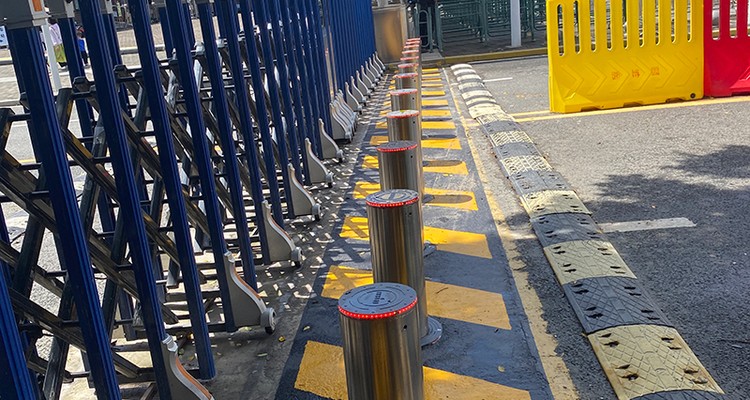
Before winter arrives, walk the installation and clear any debris from around each bollard cover. Leaves, dirt, and small objects can trap moisture against the housing or block drainage paths. For bollards that require drainage systems, verify that the drain lines are clear. Frozen or clogged drains cause water to back up into the foundation, which leads to frost heave and structural damage. Sealed electromechanical bollards that do not require drainage, like UPARK's standard units, eliminate this concern entirely.
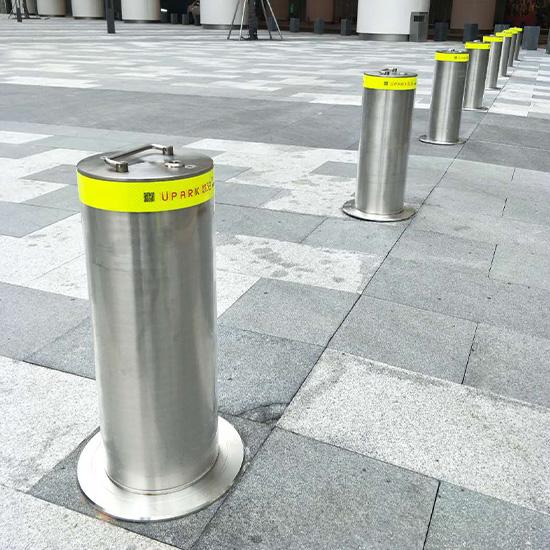
Snow clearance around bollards needs to be done carefully. Snowplow operators may not know the exact location of every bollard, and a plow blade hitting a raised bollard at speed damages both the plow and the bollard. Make sure all bollards are clearly visible. Reflective collars, LED warning bands, or positioning markers help. UPARK offers 3M diamond-grade reflective tape and optional LED warning lights on every unit. When shoveling or using a snow blower near bollards, keep the discharge chute pointed away from the control cabinets and sensor housings. Packed snow forced into electrical enclosures melts and refreezes, creating moisture problems.
Road salt is another winter hazard. Salt spray corrodes exposed metal surfaces and can accelerate degradation of electrical connections. Stainless steel resists salt corrosion much better than carbon steel or galvanized finishes. If your bollards are not stainless, apply a fresh coat of protective wax or paint before the salt season begins. Check the control cabinet for any openings or cable entry points that are not properly sealed. Even a small gap can let salt-laden air reach the terminal blocks inside. The automotive-grade paint finish on UPARK bollards provides an additional layer of protection on top of the 304 stainless substrate.

Ice buildup on the bollard column itself can interfere with operation. If the bollard retracts into a frozen housing, ice around the edges can prevent full retraction or cause the unit to bind on the next rise. Light icing usually clears on its own when the bollard cycles, but heavier accumulation may need manual clearing. A plastic scraper works, but never use metal tools near the column surface because they will scratch the finish and create corrosion starting points.
Keep your power supply stable through winter. Ice accumulation on overhead lines and increased electrical demand from heating systems can cause voltage fluctuations. Unstable voltage damages control boards over time. If your site experiences frequent winter power issues, consider installing a voltage regulator or an uninterruptible power supply for the bollard control system. UPARK's battery-powered bollard model, with its built-in lithium battery, operates independently of grid power for over 500 cycles per charge, which provides a reliable backup during winter outages.
Spring inspection after the thaw is just as important as fall preparation. Walk the line and look for foundation cracks caused by frost heave, check that all bollards cycle at their normal speed after being idle, and inspect for any corrosion that developed over the salt season. Catching winter damage early prevents minor issues from becoming major repairs.
If your current bollards struggle every winter, it may be time to look at sealed electromechanical bollards that do not require drainage systems or oil changes. Contact UPARK at [email protected] to discuss cold-weather solutions for your site.
call us :
+86 18206096507 e-mail : [email protected]




 ipv6 network supported