36V vs 120V/240V Bollards: Why Low Voltage is Safer
When choosing automatic bollards, voltage is rarely the first spec buyers consider. But it should be. The difference between a 36V system and a 120V or 240V system affects installation cost, operator safety, and long-term reliability—and not in the way most people expect.
High voltage bollards (120V/240V) have been the industry default for decades. They power hydraulic pumps and large motors effectively. But they come with real risks: exposed wiring in wet outdoor environments, strict electrical code requirements, and the constant possibility of lethal shock if insulation degrades.
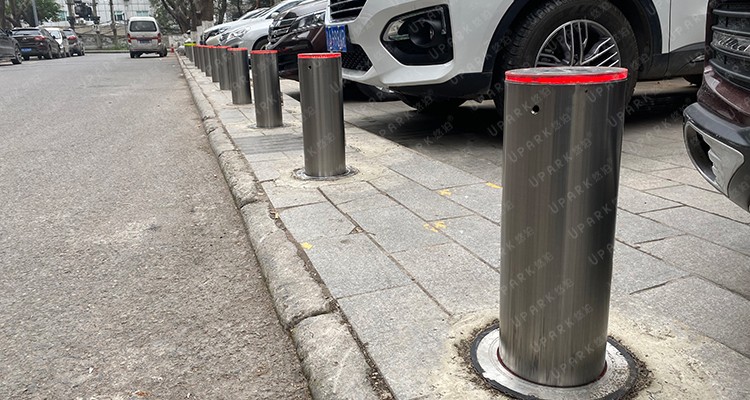
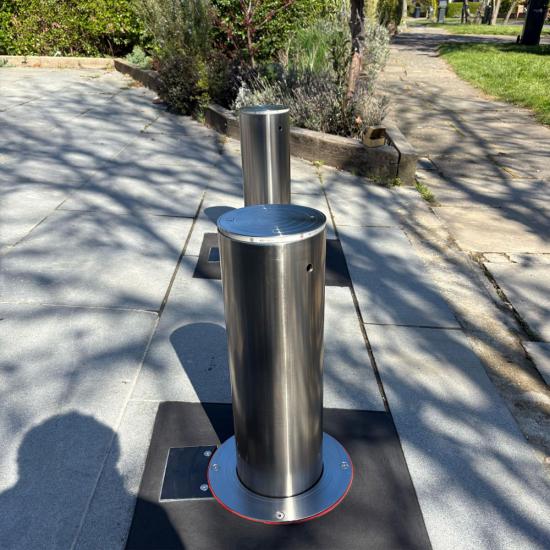
UPARK's 36V low voltage bollards eliminate these risks entirely. At 36V DC, the system falls below the internationally recognized safe voltage threshold. Even if a cable is cut, waterlogged, or chewed by rodents, there is no danger of electrocution. This isn't just a safety feature—it's a fundamental design advantage.
The practical benefits are immediate:
• No licensed electrician required for wiring in most jurisdictions
• Simpler permits and faster installation timelines
• Lower insurance premiums for low-voltage installations
• Safer maintenance—technicians can work on live systems without arc flash gear
For residential driveways, school zones, and commercial properties where safety is non-negotiable, 36V isn't just adequate—it's superior. Combined with UPARK's 20cm overlap design and robust 6mm+ wall thickness, the 36V system delivers professional-grade security without the hazards of high voltage.
Choose UPARK 36V automatic bollards. Maximum security, minimum risk.
call us :
+86 18206096507 e-mail : [email protected]




 ipv6 network supported