Croatia's luxury residential market is defined by its Adriatic coastline and islands — from the historic estates of Dubrovnik and the villa developments of Split to the exclusive island properties on Hvar, Brač, and Korčula. As Croatian property values rise and international buyers invest in coastal real estate, automatic bollards are becoming a standard specification for high-value residential properties.
The Unique Security Profile of Croatian Coastal Properties
Croatian luxury properties present a distinct security challenge: seasonality. Many high-value coastal villas and island estates are occupied only during the summer season — typically May through September — leaving them unoccupied and vulnerable for seven months of the year. This extended vacancy creates an opportunity window that electronic security alone cannot close.
The Croatian Ministry of Interior crime statistics note a pattern of organized property crime targeting seasonal residences during the off-season months of October through March. Cameras and alarms provide detection, but a detection system without a physical barrier is fundamentally incomplete. An automatic bollard provides what cameras cannot: a physical obstruction that prevents vehicle access regardless of whether the property is occupied.
Three Distinct Croatian Property Types
1. Dubrovnik Coastal Estates. The coastline south of Dubrovnik, including the Župa Dubrovačka and Konavle regions, contains some of Croatia's most valuable residential real estate. Properties here feature terraced driveways descending from the coastal road toward the sea, often with limited visibility from the main residence. Remote-operated bollards allow owners to control vehicle access without descending to the gate.
2. Hvar and Brač Island Villas. The Dalmatian islands host Croatia's most exclusive luxury properties, many owned by international buyers who visit only during the summer. Remote access control via GSM or IP is essential for these properties, allowing owners in London, Vienna, or Moscow to manage property access, grant entry to maintenance staff, and monitor perimeter status from anywhere in the world.
3. Split and Opatija Luxury Developments. The Split riviera and the historic resort town of Opatija on the Kvarner Gulf feature new-build luxury villa developments that attract both domestic and international buyers. These properties often lack the mature landscaping and natural barriers of established estates, making physical perimeter security a practical priority from the day of completion.
Installation Considerations for Croatian Properties
Croatian coastal and island properties present specific installation requirements:
- Marine environment. The Adriatic climate means salt-laden air, high humidity, and year-round UV exposure. 316 marine-grade stainless steel is the minimum acceptable specification for any coastal installation. Lesser grades develop surface oxidation within two to three years.
- Karst terrain. Much of the Croatian coastline sits on limestone karst, creating uneven bedrock that can complicate foundation excavation. Pre-installation site assessment is essential to confirm foundation depth requirements.
- Island logistics. Properties on Hvar, Brač, Korčula, and other islands require advance planning for equipment transport and installation. Ferry schedules and seasonal access restrictions must be factored into project timelines.
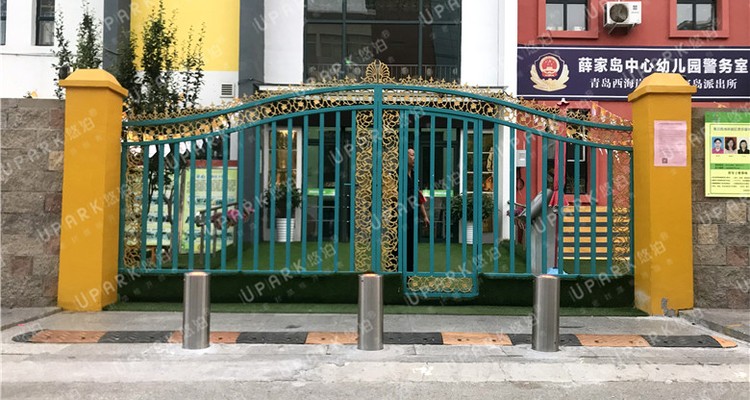
- Heritage regulations. Dubrovnik and Split historic districts fall under UNESCO World Heritage protection. Bollard installations in or near these zones must respect heritage aesthetic requirements and may require approval from the Ministry of Culture's Conservation Department.
Why Croatian Property Owners Choose 36V
Croatia's electrical installation regulations, harmonized with EU standards, impose certification requirements on high-voltage residential work. The 36V DC system operates below the voltage threshold that triggers these requirements, allowing standard electrical contractors to manage installation — a practical advantage on islands where specialist contractors are less available.
The 20-centimeter overlap between the rising shaft and the ground sleeve addresses a specific coastal concern: the combination of seasonal heavy rainfall and high groundwater tables. During the autumn and winter months, coastal Croatia experiences sustained rainfall that saturates the ground. The overlap seal prevents water ingress into the bollard mechanism, ensuring reliable operation when the property is occupied the following season.
UPARK Automatic Bollards for Croatian Properties
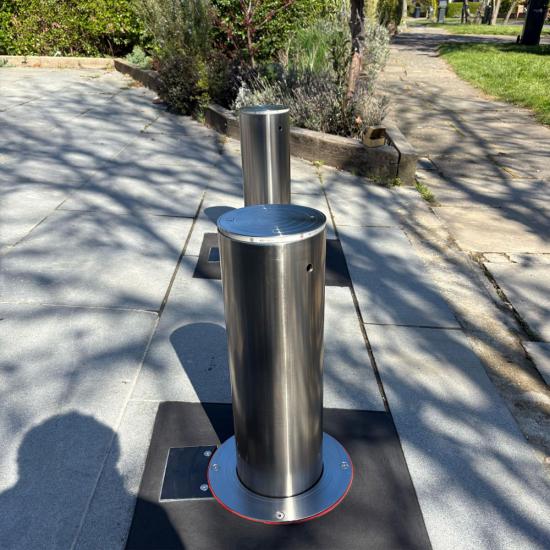
For Dubrovnik and Split coastal properties, 316 marine-grade brushed stainless steel is the standard specification. The material resists salt-air corrosion and maintains its appearance through decades of Adriatic exposure.
For island properties, GSM and IP-based control modules are essential. The owner can operate the bollard from a smartphone, grant time-limited access to maintenance staff and contractors, and receive notifications of any unauthorized access attempts — all from anywhere with mobile connectivity.
The hydraulic drive operates from minus 35 to plus 60 degrees Celsius. While Croatian coastal winters are mild, the bura wind can drive temperatures below freezing for extended periods, and the mechanism's cold-weather rating ensures reliable operation.
Frequently Asked Questions
Do automatic bollards require permits in Croatia?
On private residential land within the cadastral boundary, a bollard typically does not require građevinska dozvola. Heritage zone properties in Dubrovnik or Split may require conservation authority approval. Island properties may be subject to additional spatial planning regulations. Consult your architect and local ured za prostorno uređenje.
What is the installed cost of residential automatic bollards in Croatia?
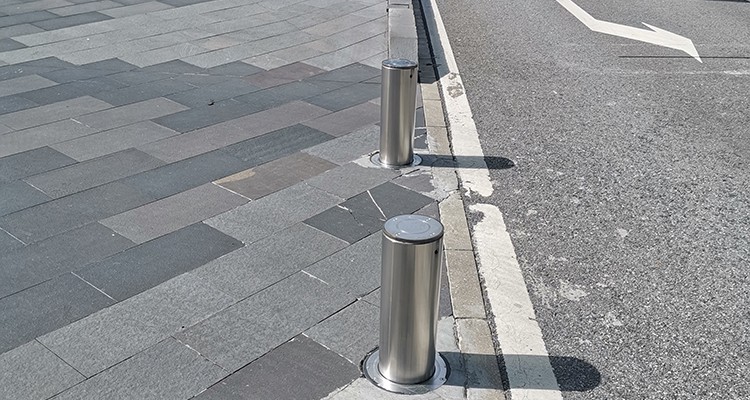
Single bollard installed costs typically range from 8,000 to 16,000 EUR, depending on model, finish, and site conditions. Two-bollard driveway installations range from 16,000 to 32,000 EUR. Island properties may incur additional logistics costs.
Can automatic bollards integrate with smart home systems?
Yes. UPARK bollards use dry contact inputs compatible with all major smart home platforms. For seasonal properties, GSM and IP control modules allow remote operation from anywhere with mobile connectivity.
Are automatic bollards suitable for island properties with limited access?
Yes, with advance planning. Equipment transport and installation must account for ferry schedules and seasonal access restrictions. The 36V system simplifies installation by eliminating the need for high-voltage specialists who may not be available on islands.
call us :
+86 18206096507 e-mail : [email protected]




 ipv6 network supported