Installing bollards seems like a simple way to improve site security, but the question of permits often comes up early. Do you need planning permission? Is an electrical permit required? What about sidewalks, roads or heritage areas? The answer depends on where the bollards are installed, who owns the land, and whether they connect to mains power.
On private property, the rules are usually lighter. A business owner installing bollards entirely inside a private parking lot, factory yard or residential driveway generally does not need planning permission. However, local building codes may still apply if the installation involves excavation, concrete foundations or electrical work. Some jurisdictions classify bollards as permanent structures, especially if they are embedded below a certain depth.
When public land is involved, permits are almost always required. Sidewalks, road verges, public plazas and pedestrian streets are typically owned by municipalities. Installing a bollard on a sidewalk usually requires approval from the local roads or public works department. The application may need drawings, engineering specifications, insurance and a commitment to restore the surface after installation.
Electrical permits for powered bollards
Automatic bollards that plug into mains electricity generally need an electrical permit or inspection. This is because they involve buried cables, ground connections and outdoor electrical enclosures. The installer must usually be a licensed electrician or work under one.
Low-voltage bollards, such as 36V DC systems, can simplify this process. Many regions treat low-voltage outdoor installations more lightly than 220V or 380V systems. Some areas may not require a separate electrical permit for a 36V bollard, though the installation still needs to follow local electrical codes. Always check with the local authority before assuming that low voltage means no permit.
Heritage and conservation zones
Historic districts, conservation areas and UNESCO sites often have strict rules about any change to the streetscape. Bollards may be allowed if they are removable, low-profile or visually matched to the surrounding area. In these zones, planning permission can take longer and may require heritage officer approval.
Highway and traffic authority approvals
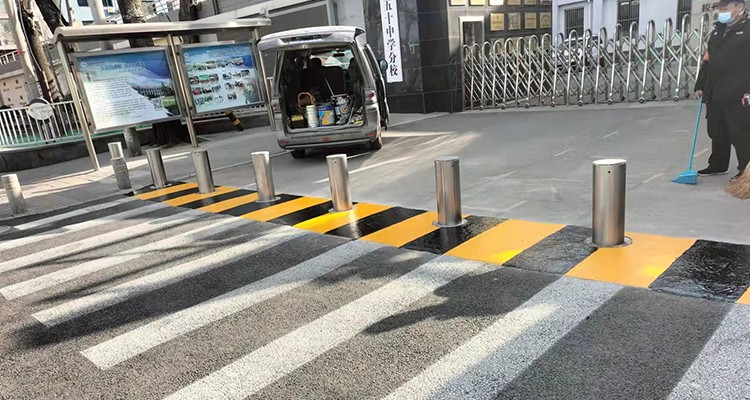
If the bollards affect vehicle traffic on a public road, a traffic authority may need to approve the design. This includes bollards at the entrance to a site that opens onto a busy road, or retractable bollards used to create bus lanes and cycle paths. Approvals usually cover sight lines, signage, road markings and emergency vehicle access.
What paperwork is typically needed?
A permit application usually includes a site plan, product drawings, foundation details, electrical specifications, crash-test certificates if relevant, and sometimes a risk assessment. For public installations, public liability insurance and a method statement may also be required. The authority will review the application, possibly inspect the site, and issue a permit or request changes.
Failure to obtain the right permit can lead to fines, removal orders or liability if the bollard causes an accident. It is always better to ask the authority before installation than to deal with problems afterward.
How to make the permit process easier
Choose a supplier that provides certified product documentation, CAD drawings and installation guides. Provide clear foundation drawings and specify whether the bollards are low voltage or mains powered. If the site is sensitive, consider removable or shallow-mount bollards that reduce excavation and surface disruption. Working with an experienced installer who has handled local permits before can also speed things up.
Do portable or temporary bollards need permits?

Temporary bollards, event barriers and removable bollards may not need a permanent works permit, but they can still require event permits or traffic management approvals. For short-term events, the organizer usually needs to show how pedestrians and vehicles will be managed. Self-contained battery bollards can help because they do not require trenching or electrical connections.
Final advice
Permit rules vary by country, city and even neighborhood. There is no universal answer. Start by contacting the local planning or building department with a basic description of the project. Ask specifically about excavation, electrical work, public land and heritage restrictions. Getting the right approvals upfront protects the project timeline and budget.
Browse UPARK automatic bollard installation resources at Automatic Bollards and learn more about our company at About UPARK.
call us :
+86 18206096507 e-mail : [email protected]




 ipv6 network supported