You are standing on a subway platform, the train is pulling in, and you notice a row of metal posts with a cable or rail running along the edge. The first thought most people have is simple: what is that thing? Then a few more questions follow. Is it a fence? Isn't there usually a glass wall? And does it actually keep anyone safe? If those questions sound familiar, you are in the right place. This is a plain-English intro to platform barriers for anyone seeing one for the first time.
What exactly is a platform barrier?
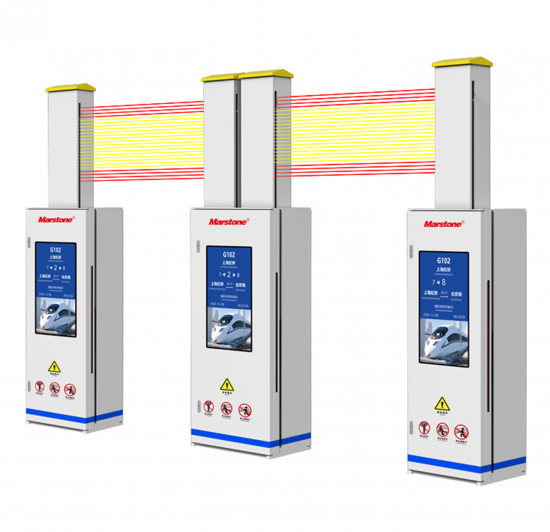
A platform barrier is a guardrail system installed along the edge of a railway, subway, or light-rail platform. Its main job is to stop people from accidentally stepping or falling onto the tracks, and to guide where passengers wait and board. Some are fixed posts with a tensioned cable or board. Others, like an Automatic Platform Guardrail, are motorized and open or lower when the train arrives. The idea is the same either way: put a physical line between the crowd and the track.
"Isn't this just a fence?" Barrier vs platform screen door
This is the question almost everyone asks, and it is worth clearing up. A platform screen door (often called a PSD) is a full-height glass wall that seals the platform from the tunnel. A platform barrier is a lower, open guardrail, usually a cable, rope, or board system, that blocks the edge without sealing it off. Both protect people, but they are different tools. Screen doors need a sealed station, heavy structural work, and a big budget. Barriers are the practical choice for existing stations that were never built for glass walls. So if you see an open rail instead of a glass wall, that is the station choosing a barrier over a screen door.
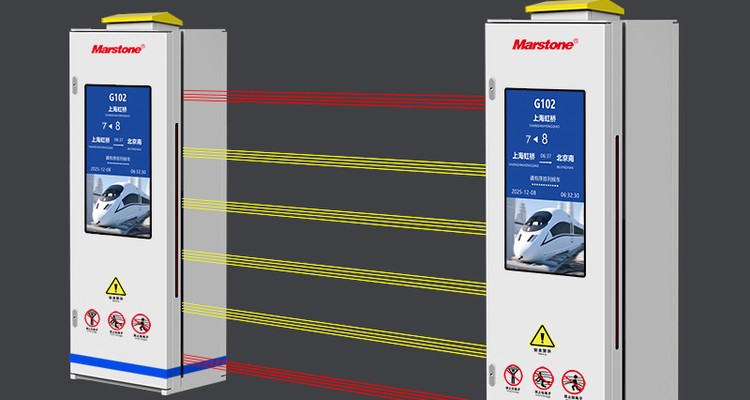
Does it actually keep people safe?
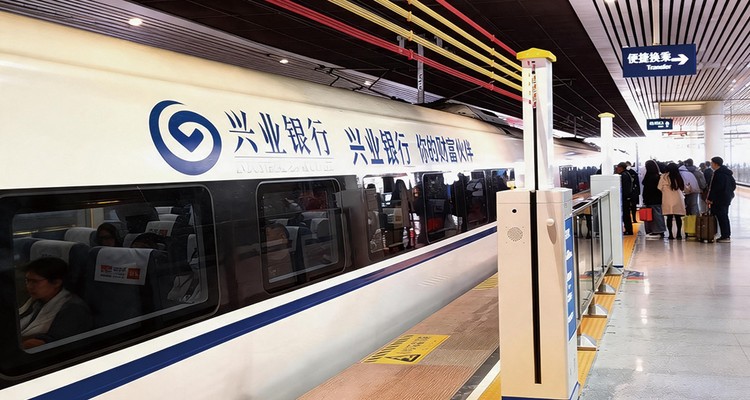
Yes, and that is the whole point. The biggest win is fall prevention, whether it is a tired commuter swaying too close, a child near the edge, or a packed crowd pushed forward. Barriers also help with crowd control at the boarding point and discourage track intrusion. They are not a magic shield, though. Because they do not fully enclose the platform, they work best alongside staff, cameras, and clear announcements. Think of a barrier as a strong layer of protection that removes the most common accidents, not a replacement for everything else.
Why a barrier instead of a wall or full door?
Three reasons come up again and again. Cost and speed: a barrier can be added to an existing platform without rebuilding the station. Ventilation: an open design avoids trapping heat and smoke in the tunnel, which matters a lot for outdoor and older lines. Flexibility: barriers can be automatic, movable, or shaped to fit unusual platform layouts, and they work for more than just trains. Bus rapid transit, stadiums, and industrial edges all use them. There are cases where a full screen door is the better fit, usually brand-new stations that want climate control. But for the vast majority of retrofits, a barrier is the faster, cheaper answer.
Where do you actually see them?
Pretty much anywhere a platform meets a track or a drop. Older metro and subway stations that got safety upgrades later in life. Light rail and tram stops. Bus rapid transit stations. Stadiums and event venues with crowd edges. Even industrial sites with hazardous platforms. Cable barriers show up most on outdoor and light-rail lines, while automatic guardrails are showing up in modern transit hubs that want both safety and a clean look.
If you want to go deeper, our Retractable Cable Barrier page covers the cable type, and the Automatic Platform Guardrail page explains the motorized version. You can also read about our company and project history on the About Us page. The next time you stand on a platform and spot that row of posts, you will know exactly what it is and why it is there.
call us :
+86 18206096507 e-mail : [email protected]




 ipv6 network supported