At 8 a.m. a platform is a narrow strip of certainty. Passengers arrive in waves, train doors open for less than a minute, and the gap between the edge and the track suddenly matters to everyone. An automatic platform barrier does not look dramatic. It sits low, a few horizontal cables between posts, and waits. When the train is cleared and the doors are about to close, the cables drop and the boarding edge opens. On the next approach, they rise. That rhythm keeps a station moving without asking passengers to police the edge themselves.
What the Passenger Actually Sees
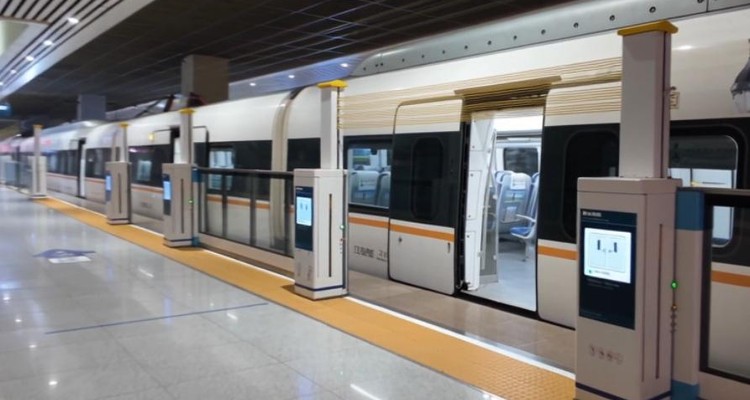
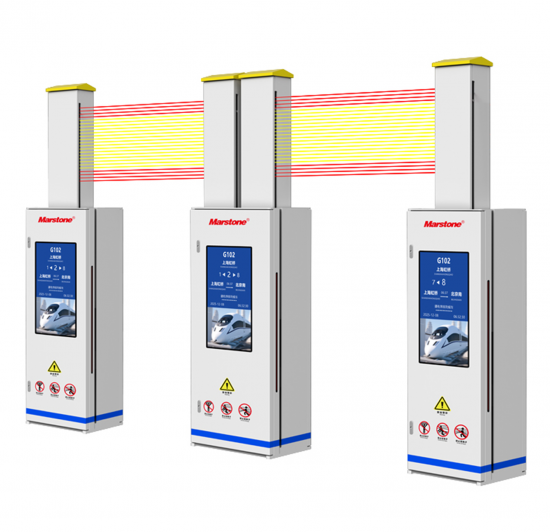
From the platform, the barrier reads as slim posts with six cable levels between them. The cables are tensioned, not rigid, so a passenger who leans on them feels resistance rather than a wall. UPARK designs use a 20 cm overlap between adjacent sections when the barrier is down, closing gaps that might invite someone to step through. The posts carry the drive, status display and local controls, so the edge stays visually open. Passengers can still see the train and the platform markings, and that visibility matters: people trust a device they can read at a glance.
The Drive Is the Quiet Part
Behind the cables is an electromechanical drive, not an oil system or a pneumatic line. That choice shows up in cold stations and long winters, where fluid-based equipment gets sluggish. A sealed drive with low standby draw can sit idle for hours and still respond when the signal arrives. UPARK rates its platform units for 250,000 operating cycles and confirms stable operation under an impact of 300 kg, figures from the product page rather than a theoretical design life. Maintenance is mostly inspection of cables, tensioners and post seals.
It Has to Talk to the Station
A barrier that is beautiful but isolated is a liability. In service, the unit takes its command from the train signal or the station control system. It lowers only after the train stops and the doors are released, and rises before the next movement is permitted. Local controls let staff hold a section open for cleaning or a passenger with limited mobility, and a manual release covers a power failure. Operators integrate through dry contacts or a simple protocol, keeping the signaling interface small. The device follows the timetable instead of fighting it.
Where It Fits
Full-height screen doors make sense on a new, fully sealed metro line. They are expensive and they change the platform architecture. A retractable cable barrier is the lighter answer for existing stations, light rail stops and high-speed platforms where a full enclosure is not planned. It can be installed in phases, one section at a time, without shutting down the platform. You can see the same thinking in the retractable cable barrier range, and the broader automatic platform guardrail page sets out cable materials and station types.
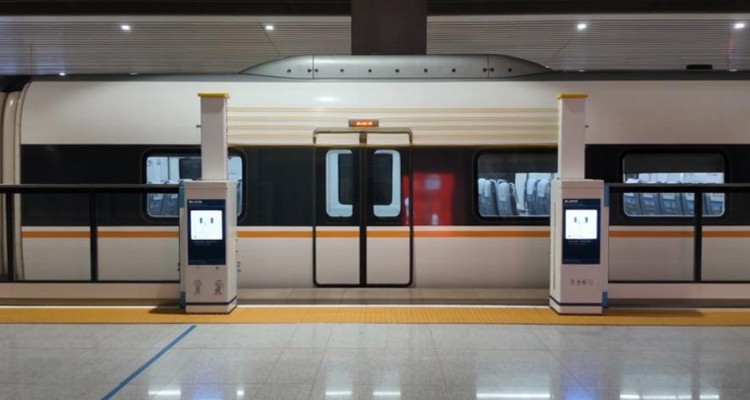
The morning rush does not wait for a perfect safety system. It needs one that rises and falls on time, that people can see through, and that fails in a predictable way. An automatic platform barrier is not a replacement for good station operations. It is the edge that makes those operations possible when the platform is full.
call us :
+86 18206096507 e-mail : [email protected]




 ipv6 network supported