City streets are getting busier. More delivery vehicles. More ride-share pickups. More construction trucks. At the same time, more cities are closing streets to through traffic, expanding pedestrian zones, and tightening access to historic centers. The tool that makes this work is the urban automatic bollard.
Urban automatic bollards are not the same as the high-security bollards you see outside embassies and military bases. They are designed for a different job: managing vehicle access in busy city environments where the threat is not a truck bomb but congestion, unauthorized parking, and vehicles entering pedestrian areas by mistake or on purpose.
What makes a bollard 'urban'?
The term urban bollard describes a product category that prioritizes these features over raw crash ratings:

Faster cycle times. In a city center, a bollard that takes 15 seconds to lower is a traffic jam waiting to happen. Urban bollards often rise and lower in 3 to 5 seconds, keeping traffic flowing at busy access points. Some can handle 2,000 cycles per day or more.
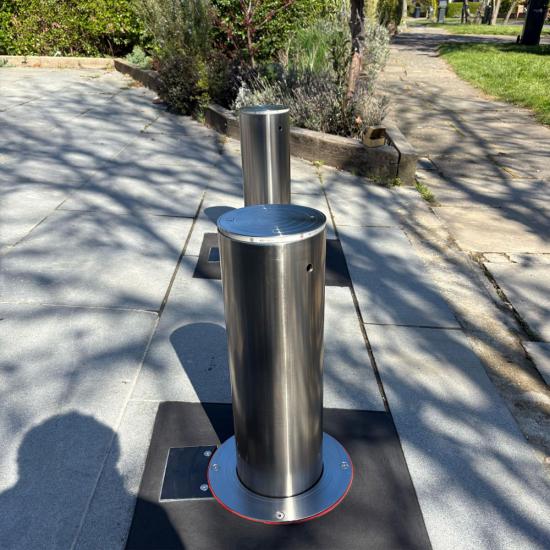
Lower profile and better aesthetics. City planners and architects care about how bollards look. An urban bollard is often 500 to 800 mm tall — high enough to block a car but low enough to blend into the streetscape. Finishes include brushed stainless steel, powder-coated colors, and integrated LED lighting for visibility at night.
Quieter operation. A hydraulic bollard that hisses and clunks every time it moves is fine for a loading dock. In a pedestrian plaza with outdoor cafes, it is noise pollution. Electromechanical urban bollards run quieter, making them suitable for residential and mixed-use areas.
Lower voltage. Many urban automatic bollards now run on 36V DC instead of 220V AC. This reduces installation complexity — no high-voltage permits, no drainage system for electrical safety — and makes the bollards safer in wet conditions, which city streets often are.
Common urban use cases
Pedestrian zones and shopping streets. Cities from Barcelona to Tokyo have converted major shopping streets to pedestrian-only during business hours. Automatic bollards at each end of the zone drop for delivery trucks in the early morning, then rise for the rest of the day. Residents with permits use RFID tags or mobile apps to lower the bollards when they need access.
Bus and transit lanes. Dedicated bus lanes need physical separation from general traffic, but emergency vehicles still need access. Automatic bollards controlled by the transit authority's central system can lower for authorized vehicles while keeping private cars out.
Historic city centers. Many European cities have narrow medieval streets that cannot handle modern traffic volumes. Automatic bollards at the perimeter control access without building walls or gates. Residents, service vehicles, and emergency responders have credentials. Everyone else parks outside and walks.
Hotel and commercial drop-off zones. A hotel entrance that doubles as a through-road for taxis creates constant congestion. Two or three automatic bollards can create a managed drop-off zone: bollards stay up, taxis enter only when summoned by the concierge, and through-traffic takes a different route.
Integration with smart city systems
Urban automatic bollards increasingly connect to broader traffic management systems. ANPR (automatic number plate recognition) cameras scan plates and lower bollards for pre-registered vehicles. Mobile apps let residents generate temporary access codes for visitors. Centralized control rooms can raise or lower bollards citywide in response to emergencies.
This integration is the difference between a standalone bollard installation and a citywide access management system. The bollards become part of the city's digital infrastructure — not just physical barriers, but data points in a traffic control network.
Things to check before buying
Daily cycle rating. How many times can the bollard go up and down per day before accelerated wear sets in? For a busy access point with 500 vehicle movements a day, a bollard rated for 300 cycles will fail fast. Look for 1,500 to 2,000 cycles per day for high-traffic locations.
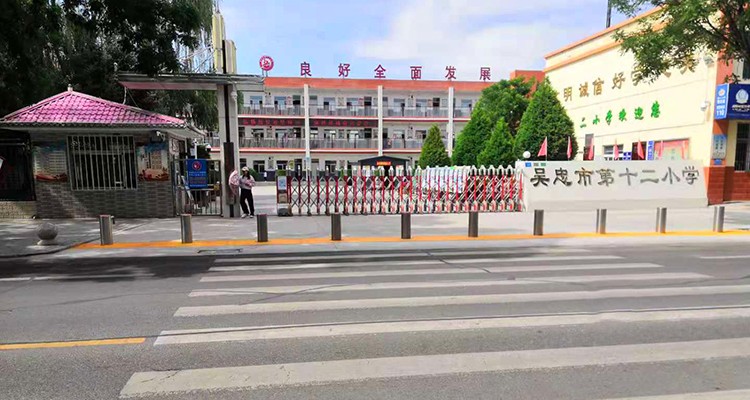
Emergency fast lowering. A bollard that takes 5 seconds to drop is fine for normal use. During a fire or medical emergency, 5 seconds is too long. Some urban bollards offer a 1-second emergency drop mode — worth specifying if the bollards control access to a route used by first responders.
Weather resistance. Urban bollards are exposed. Rain, road salt, temperature swings from -20C to +40C. IP68 waterproofing is not a luxury in a city with winter snow and summer monsoons. Check the IP rating and the operating temperature range.
Crash rating. Most urban applications do not need K12 protection. But do they need any crash rating at all? In many cases, an urban bollard's job is to deter, not to stop a determined attack. An anti-vandalism rating may be sufficient. However, if the bollards protect a crowded pedestrian zone from vehicle access roads, a K4 or M30 rating is a reasonable precaution. Match the rating to the risk.
Browse UPARK urban automatic bollard solutions at Automatic Bollards and learn more about our approach at About UPARK.
call us :
+86 18206096507 e-mail : [email protected]




 ipv6 network supported