Every construction project has an enemy, and for bollard installations that enemy is water. Not the kind you plan for with drainage systems and waterproof coatings, but the kind that shows up uninvited. A sudden rainstorm that floods the excavation before the concrete sets. A high water table that keeps seeping into the pit no matter how much you pump it out. A site near the coast where the groundwater rises and falls with the tide. These are the conditions that turn a straightforward bollard installation into a frustrating, expensive exercise in water management.
Traditional hydraulic bollard installations are particularly vulnerable to wet conditions, and the vulnerability exists at two different stages. During installation, the open pit acts as a water collector. Even with active pumping, a heavy rainstorm can fill the excavation faster than pumps can empty it. The concrete footing cannot be poured into standing water because it compromises the mix and weakens the foundation. The drainage pipes cannot be laid and graded correctly if the ground is saturated and shifting. Installers often find themselves waiting for dry weather windows, sometimes for days at a time, while the rest of the project continues around them.
Once the bollard is installed and operational, wet conditions present a different set of problems. Hydraulic systems use fluid pressure to raise and lower the bollard. If water enters the hydraulic reservoir through compromised seals, it contaminates the hydraulic oil, reducing its effectiveness and accelerating wear on pumps and valves. In cold climates, water in the hydraulic system can freeze, cracking housings and rupturing lines. Even in warm climates, constant moisture exposure degrades rubber seals over time, leading to slow leaks that gradually reduce performance until the bollard fails to operate at all.
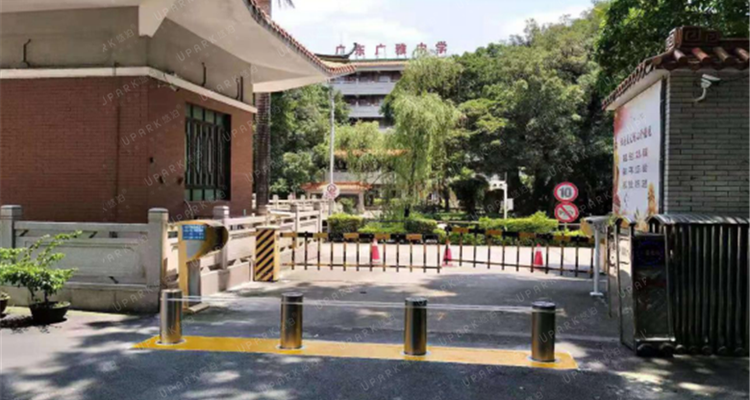
The drainage system that is supposed to protect against these problems can itself become a liability. Perforated pipes can silt up over time, especially in areas with fine soil or heavy sediment runoff. Sump pumps can fail, and when they do, the pit fills with water that has nowhere to go. Blocked drainage is a maintenance issue that often goes unnoticed until the bollard starts malfunctioning. By that point, the damage to the mechanism may already be done, requiring a repair that involves pulling the bollard out of the ground and replacing degraded components. That is a costly and disruptive process for a system that was supposed to be low maintenance.
Sealed IP67 electromechanical bollards approach the water problem from a fundamentally different direction. Instead of trying to manage water that gets into the pit, the housing is designed so water cannot get in at all. The IP67 rating means the unit can withstand temporary immersion in water up to one meter deep for up to thirty minutes without any water penetrating the housing. Models with IP68 ratings can handle even deeper and longer submersion. The mechanism, motor, and electronics are all sealed inside a rugged enclosure that treats water as an external problem rather than an internal one.
During installation, the sealed design means the work is less sensitive to weather conditions. The foundation still needs to be kept dry enough to pour concrete properly, but once the concrete is set and the bollard is dropped into the sleeve, rain is no longer a concern. There is no open pit to flood, no drainage system to protect, and no hydraulic fluid to contaminate. Installers can work through light rain without stopping, and the bollard is protected from the moment it is placed in the ground. For projects running on tight schedules in rainy climates, this weather independence is a practical advantage that directly affects the completion date.
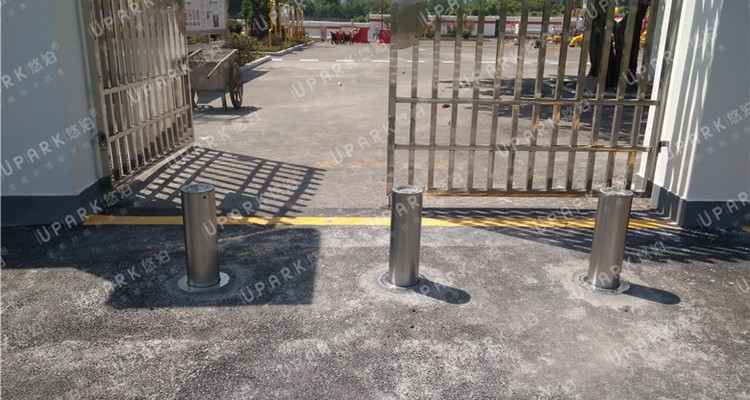
In flood prone locations, sealed bollards continue to operate where traditional systems fail. During a flooding event, a hydraulic bollard with a compromised drainage system fills with muddy water that infiltrates every seal and joint. After the flood recedes, the unit needs a full service, often including hydraulic fluid replacement, seal replacement, and system flushing, before it can operate reliably again. A sealed bollard is submerged, the water recedes, and the unit operates as if nothing happened. No service required. No downtime. No repair costs.
Coastal and harbor installations benefit similarly. Salt water is far more corrosive than fresh water and does more damage to exposed mechanisms. The sealed housing keeps salt water away from the internal components entirely. Combined with corrosion resistant exterior finishes, the sealed design provides a level of protection that traditional open pit installations cannot match, regardless of how much marine grade grease you apply to the exposed moving parts. For more on harbor applications, see our guide to port security with bollards.
For project specifiers working in regions with heavy rainfall, high water tables, or flood risk, the choice between traditional and sealed systems affects not just the installation cost but the long term reliability of the entire security installation. A vehicle access control system that fails during a storm is not providing security when it is needed most. Sealed IP67 bollards are designed to keep working in exactly the conditions that cause traditional systems to fail, and for projects where weather reliability is a requirement rather than a nice to have, that reliability difference is the most important specification on the sheet. For more on how foundation depth requirements differ, see this foundation depth guide.
call us :
+86 18206096507 e-mail : [email protected]




 ipv6 network supported