The Storefront Problem
Every shopping mall has a storefront problem. The front of every store is made of glass. The sidewalk in front of the stores is where pedestrians walk. And the road or parking area is where cars and trucks drive. These three things are right next to each other, and every now and then, a driver makes a mistake.
The statistics are sobering. Vehicle crashes into storefronts happen several times a week in major cities. Most are accidents caused by drivers who confuse the gas pedal for the brake, misjudge a turn, or suffer a medical emergency. Others are deliberate smash-and-grab attempts, particularly targeting jewelry stores, electronics retailers, and high-value goods.
Glass storefronts are especially dangerous in these scenarios. A vehicle that crashes through a storefront at speed creates a spray of glass shards that can injure people standing several meters away. The vehicle itself continues into the store, potentially hitting display cases, employees, or customers. Bollards prevent this scenario entirely by stopping the vehicle before it reaches the glass.
Where to Place Mall Bollards
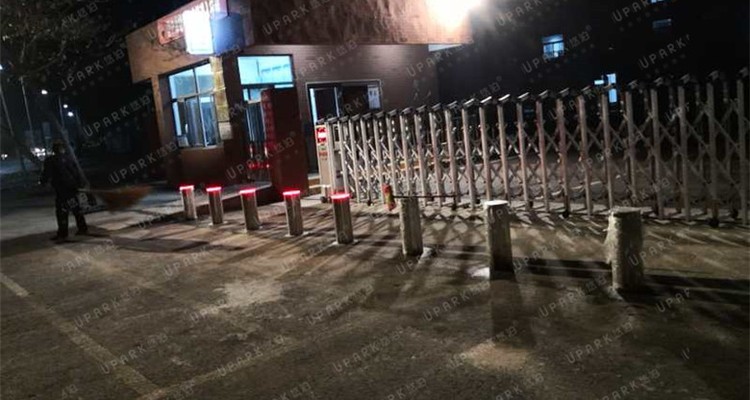
The most common bollard placement at a shopping center is along the storefront sidewalk, directly in front of the glass. Fixed stainless steel bollards, spaced about 1.2 to 1.5 meters apart, create a barrier that stops any passenger vehicle before it can reach the storefront. The spacing is tight enough to block cars and light trucks while still allowing pedestrians, shopping carts, and wheelchair users to pass through.
For larger retail spaces with multiple storefronts, a continuous bollard run along the entire pedestrian zone is more effective than protecting individual stores. This creates a unified vehicle exclusion zone that protects everyone behind it.
Loading docks and service entrances are another high-priority area. Delivery trucks need access, but you do not want unauthorized vehicles entering these zones. Fixed bollards at the perimeter of the loading area prevent cars and vans from driving in, while automatic bollards at the dock entrance allow trucks to pass through on a controlled schedule.
Parking Structures and Vehicle Ramps
Multi-level parking structures are part of the mall ecosystem, and they have their own security challenges. Vehicles accelerate on the ramps, drivers sometimes lose control, and the concrete pillars that support the structure are vulnerable to impact damage from runaway vehicles.
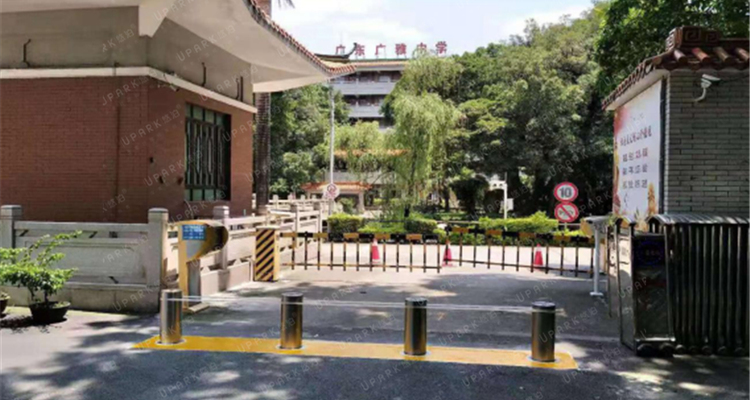
Bollards at the top and bottom of parking ramps prevent vehicles from accelerating into pedestrian areas or directly into the ground floor retail space. The geometry of a parking ramp—typically one-way with a tight turn at the top—means that bollards at the entry and exit points channel vehicles safely through the structure.
Some malls use automatic bollards at parking structure entrances to control access during non-business hours. After the mall closes, the bollards rise to prevent vehicles from entering the parking structure, reducing the risk of vandalism and unauthorized overnight parking.
Aesthetics and Insurance
Mall operators care about appearance. A shopping center with industrial-looking steel bollards or concrete barriers sends the wrong message to visitors. It says the mall is afraid of its own customers.
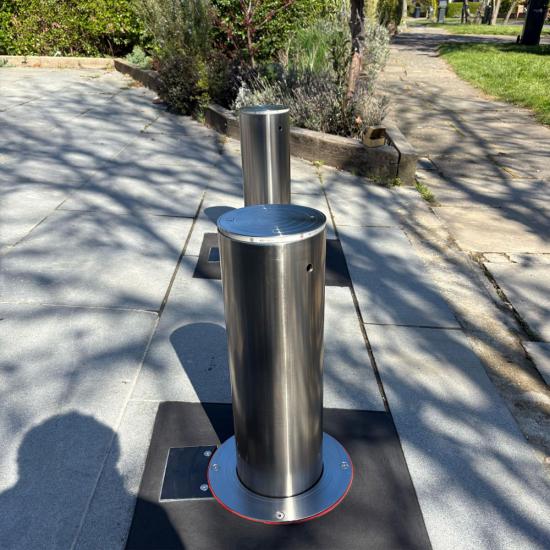
The bollard industry has responded to this concern with a wide range of decorative options. Polished stainless steel bollards look clean and modern. Powder-coated bollards can be matched to the mall's brand colors. Decorative sleeves hide the functional security bollard inside an architecturally styled shell that fits the shopping center's design language.
Beyond aesthetics, insurance considerations are pushing more mall operators toward bollard installation. Insurers assess risk based on the physical security measures in place. A mall with unprotected storefronts facing a busy road will pay higher premiums than one with properly specified bollard systems. The return on investment often comes through lower insurance costs within a few years.
call us :
+86 18206096507 e-mail : [email protected]




 ipv6 network supported