Get Your Bollards Ready for Rainy Season – A Quick Maintenance Guide
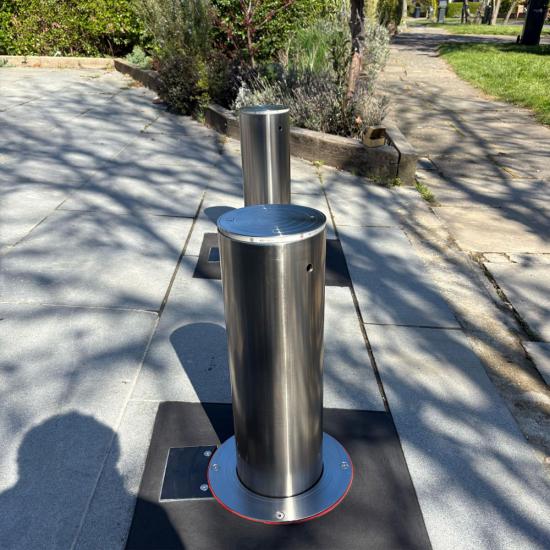
When rain starts falling, your automatic bollards need to be ready. Water damage causes more bollard problems than almost anything else. A little prep work now keeps your security running all season.
Five Quick Checks Before the Rains
Grab a flashlight and set aside five minutes. These checks make a real difference:
1. Look at drainage channels around each bollard base. Clear leaves, dirt, or anything blocking water flow. Standing water here leads to corrosion.
2. Check rubber seals and gaskets. Run your finger around seals where the bollard meets concrete and where wires enter. Cracks or brittleness means water gets in.
3. Inspect electrical connections. Terminal blocks and wiring should be dry with no green corrosion. Moisture here causes short circuits.
4. Run each bollard up and down a few times. Listen for grinding or hesitation – common signs of water inside the mechanism.
5. Check the ground slope. Water should run away from bollards, not toward them. Poor drainage is fixable with simple regrading.
Three Maintenance Actions That Matter
Found issues? Here's what to do:
Clean drainage properly. Use a small brush or air compressor to clear channels. For stubborn gunk, mix mild dish soap with warm water and scrub gently.
Treat rubber seals. Silicone lubricant keeps seals flexible and waterproof. Cracked seals should be replaced – don't wait for leaks to start.
Protect electrical connections. Dielectric grease on terminals keeps moisture out. If terminal blocks are exposed, cheap plastic covers prevent rain splash.
Using Bollards During Heavy Rain
When it's pouring, remember:
- Space out operations. Let water drain between cycles instead of rapid-fire up-down movements.
- Watch performance. Slowing or jerky motion often means water inside.
- Act fast on pooling water. Clear blocked drains immediately – standing water causes most damage.
What to Do When Water Gets In
Sometimes water wins. If a bollard stops working in rain:
1. Cut power immediately. Wet electricity damages components fast.
2. Clear visible blockages. Check drainage holes first.
3. Call a professional. Don't open wet electrical housings yourself.
Getting Professional Help
Even well-maintained bollards benefit from expert attention before rainy season. UPARK's automatic bollards handle weather well, but preventative care extends their life.
For multiple bollards or tricky locations, schedule professional maintenance annually. The cost beats emergency repairs and security gaps.
Bottom line: Twenty minutes now saves days of downtime later. Add bollard checks to your seasonal property routine – your security stays dry when the storms hit.
call us :
+86 18206096507 e-mail : [email protected]




 ipv6 network supported