Railway platform safety is one of the most pressing challenges in modern transit infrastructure. Every year, thousands of passenger incidents occur on railway platforms worldwide, from accidental falls onto tracks to collisions with arriving trains. The automatic platform guardrail system developed by UPARK offers a proactive, physical solution that prevents passengers from accessing the platform edge until a train has safely arrived and docked.
What Is an Automatic Platform Guardrail?
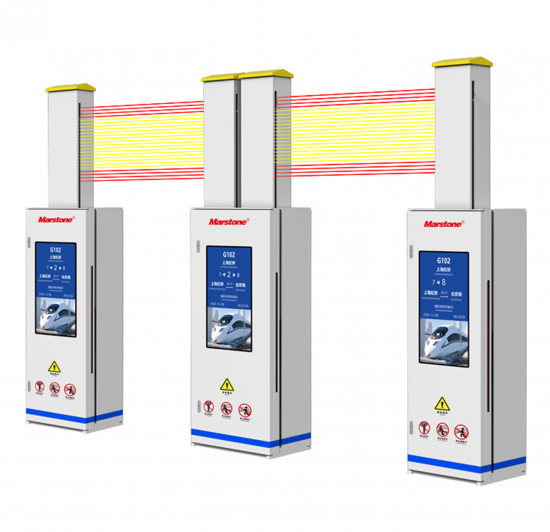
An automatic platform guardrail is an intelligent barrier system installed along the edge of railway platforms. Unlike static safety lines or painted markings, the guardrail physically rises and lowers based on train arrival and departure signals. When no train is present, the guardrail remains raised, creating a physical barrier between passengers and the track area. When a train docks, the guardrail lowers automatically, allowing safe boarding and alighting.
The system consists of four integrated components: the guardrail mechanism (the physical barrier), the control device (which processes train signals and coordinates movement), the alarm system (infrared sensors with visual and audible warnings), and the power module (energy supply with backup capabilities). The full product specifications are available on the Automatic Platform Guardrail product page.
Eight Core Safety Features
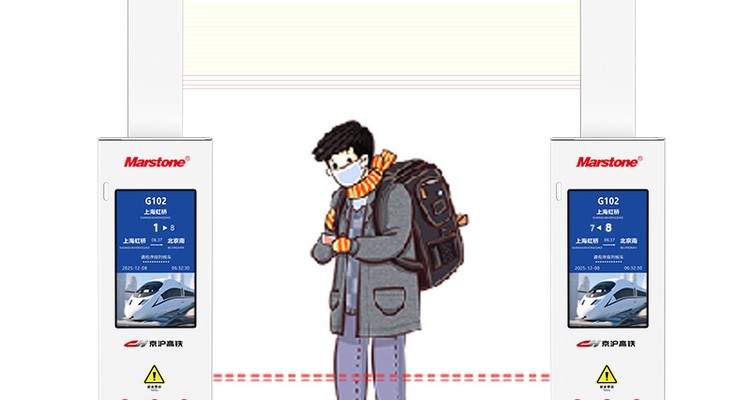
The UPARK automatic platform guardrail incorporates eight distinct safety technologies that work together to create multiple layers of protection for passengers and station staff.
1. Intelligent Infrared Detection
Advanced infrared spotlight sensors monitor the safety line in real time. When passengers or objects approach or cross the designated safety boundary, the system automatically triggers visual and audible alarms. This early warning capability is critical in crowded station environments where visibility may be limited and passenger awareness is essential.
2. Visual Traffic Light Warning System
A three-color traffic light indicator above the guardrail provides clear, intuitive guidance. A red light means the guardrail is raised and passage is prohibited. A green light means the guardrail is lowered and safe passage is allowed. When unauthorized approach is detected, an integrated sharp alarm sound activates immediately, ensuring passengers are aware of the safety status at all times.
3. Extreme Low-Temperature Operation
The electromechanical transmission structure operates normally at temperatures as low as -40C without requiring any additional heating devices. This makes the system suitable for outdoor installations in cold climates where winter temperatures regularly drop well below freezing. Unlike hydraulic systems that require heated fluid, the guardrail drive mechanism is inherently cold-resistant.
4. Ultra-Long Service Life
Industrial-grade motors have been tested for over 250,000 continuous operation cycles without failure. The system is designed for 10+ years of maintenance-free operation, which significantly reduces lifecycle costs compared to alternatives that require frequent servicing or component replacement. This is particularly important for transit operators managing multiple stations with hundreds of guardrail units across the network.
5. Dual Emergency Release Function
Safety systems must account for worst-case scenarios. The guardrail includes dual emergency release mechanisms. During power outages, the guardrail automatically lowers to the open position, ensuring passengers are never trapped. Additionally, a manual emergency release rope allows quick manual operation by station staff. Both mechanisms achieve full opening within five seconds.
6. Superior Impact Resistance
This is the only guardrail system on the market with certified impact resistance tested to EN 13231-3 standards. The guardrail maintains full operational capability after withstanding 300 kg impact force. This level of protection is essential in real-world scenarios where passengers may accidentally fall against or push luggage into the barrier during crowded boarding periods.
7. IP54 Waterproof Rating
The system carries an IP54 protection rating, making it resistant to dust, water jets, and temporary immersion. This is suitable for outdoor installations in all weather conditions, from heavy monsoon rain to dusty desert environments. The waterproof design ensures reliable operation year-round without weather-related downtime.
8. Low Power Consumption
Energy-efficient design keeps standby power consumption below 10 watts. The system uses 36V safe voltage, complying with low-voltage safety standards and eliminating arc-flash risks inherent in high-voltage installations. Optional solar panel integration is available for stations looking to reduce their carbon footprint or for locations with unreliable grid power.
Applications Across Transit Systems
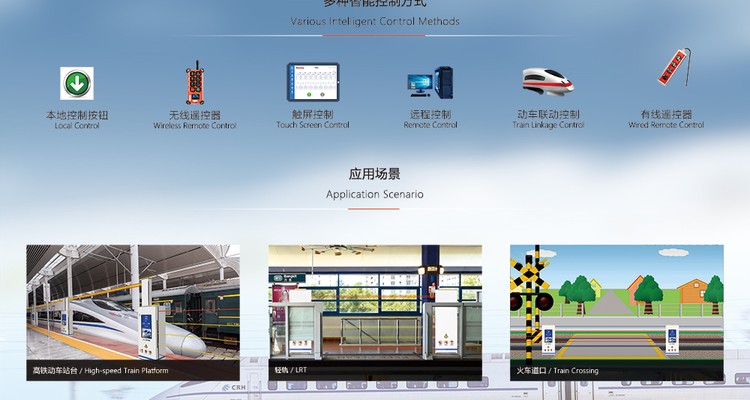
The automatic platform guardrail is designed for a wide range of transit environments, including metro stations, railway terminals, high-speed rail platforms, light rail systems (LRT), tram stops, and multi-modal passenger transit hubs. For operators evaluating different barrier types, our comparison of rope vs board vs cable platform barriers provides additional guidance on selecting the right barrier for specific station conditions.
How the Guardrail Compares to Platform Screen Doors
Transit operators often weigh automatic platform guardrails against full-height platform screen doors (PSDs). Platform guardrails typically cost 60 to 70 percent less than full PSDs while offering comparable safety benefits for many station types. The guardrail accommodates trains with different door configurations, making it suitable for stations served by multiple train types. For a detailed comparison, visit the product page or see our dedicated analysis of guardrail versus screen door systems.
Installation and Retrofitting
One of the key advantages is ease of installation. The electromechanical drive system requires no drainage, simplifying civil works significantly. The system is designed for both new construction and retrofitting existing stations, making it practical for operators upgrading stations that were built before modern platform safety standards existed. A real-world deployment at a Singapore LRT station demonstrates the practical application of platform barrier technology in an urban transit environment.
Compliance and Manufacturing
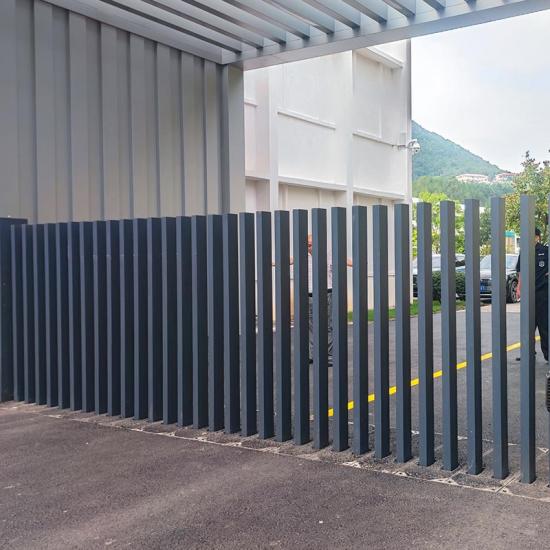
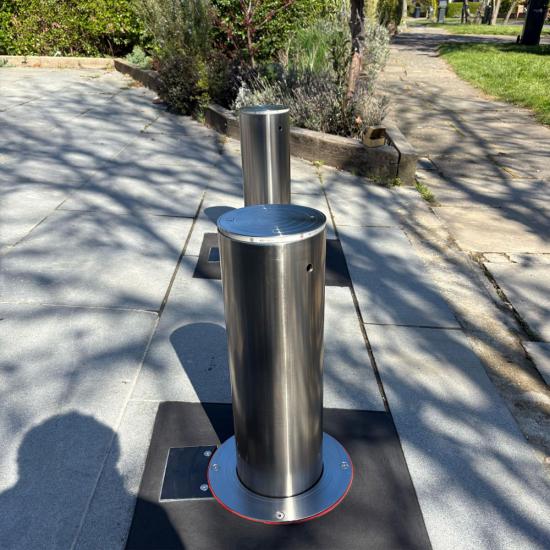
The system is tested to EN 13231-3 standards and operates on 36V low-voltage architecture. UPARK, as a manufacturer with two decades of experience in safety equipment for transit and security applications, ensures all products meet relevant international certifications. Our expertise in automatic bollards and automatic fence gates has directly informed the platform guardrail design.
For detailed specifications, customization options, or project consultations, visit the automatic platform guardrail product page or contact UPARK directly through the About Us page.
call us :
+86 18206096507 e-mail : [email protected]




 ipv6 network supported