When transit operators decide to upgrade platform safety, the choice often comes down to two options: automatic platform guardrails or full-height platform screen doors (PSDs). Both systems prevent passengers from accessing the track area, but they differ dramatically in cost, installation complexity, operational flexibility, and long-term maintenance requirements. This comparison will help you determine which system fits your station profile.
Understanding the Two Systems
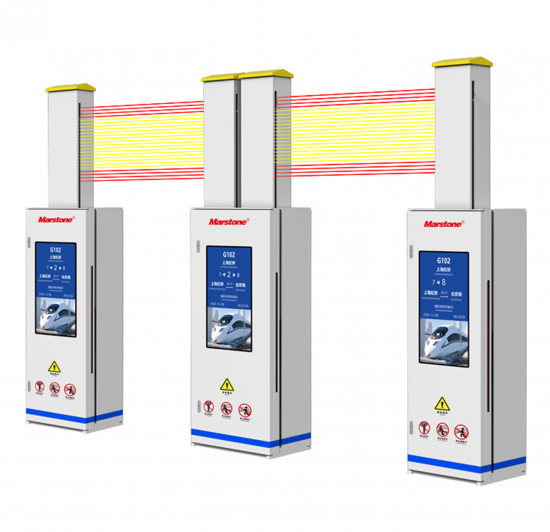
An automatic platform guardrail is a barrier system installed along the platform edge that raises and lowers based on train arrival signals. It uses electromechanical drive technology to create a physical barrier when no train is present and lowers to allow boarding when a train docks. A platform screen door (PSD) is a full-height glass wall with sliding doors that completely seals the platform from the track, commonly seen on modern metro systems in Singapore, Hong Kong, and mainland China.
Cost Comparison: The Deciding Factor
Cost is typically the deciding factor for most projects. Platform screen doors are significantly more expensive due to the structural modifications required and the complexity of the full-height glass panel system. The guardrail system costs 60 to 70 percent less in upfront installation while delivering comparable passenger protection. The lower cost comes primarily from eliminating three major expense categories: structural platform reinforcement, complex drainage systems, and extended station closures during installation.
Beyond initial capital, the guardrail also benefits from lower power consumption in standby mode (under 10 watts per unit at 36V) and 10+ years of maintenance-free operation. Over a 30-year lifecycle, the total cost of ownership advantage for guardrails becomes substantial. For operators evaluating barrier types, our barrier type selection guide covers additional cost considerations.
Installation Complexity
Platform screen doors require significant civil works. The platform edge must be structurally reinforced to support the weight of full-height glass panels. Installation typically requires extended station closures, often months of disrupted service, making PSDs impractical for retrofitting existing stations.
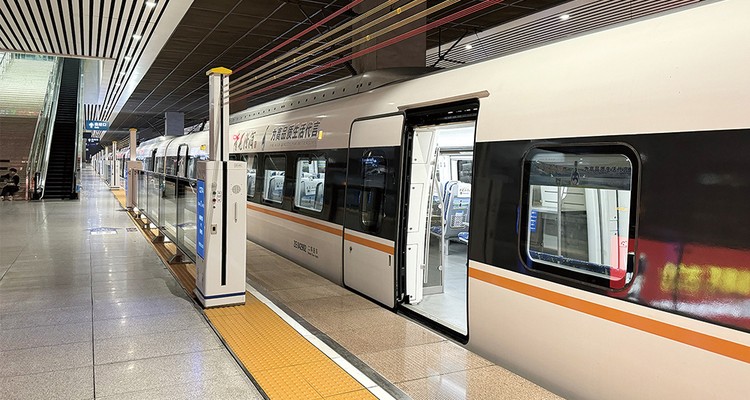
The automatic platform guardrail is designed for both new construction and retrofitting. The electromechanical drive system requires no drainage infrastructure. Installation can be completed with minimal disruption to station operations, often during overnight maintenance windows. This makes it practical for upgrading existing stations that were built without platform safety systems.
Safety Features: Active vs Passive Protection
Both systems provide physical separation from the track, but the guardrail offers additional active safety features that PSDs typically lack. The guardrail monitors the safety line with infrared sensors and triggers alarms when passengers approach the barrier. A three-color traffic light indicator gives clear visual guidance on boarding status. Most critically, the EN 13231-3 certified impact resistance withstands 300 kg force, meaning the barrier stays intact even if passengers or luggage collide with it. PSDs provide passive separation but generally lack active detection and warning systems.
Environmental Performance
The guardrail system operates at temperatures as low as -40C without heating, thanks to its electromechanical transmission structure. The IP54 waterproof rating ensures reliable operation in heavy rain and dusty conditions. PSDs, being glass structures, can be vulnerable to extreme weather and may require additional climate control systems, particularly in outdoor or semi-outdoor installations.
Operational Flexibility
Platform guardrails offer significantly greater flexibility for stations with varying train types or door configurations. Since the guardrail lowers completely when a train docks, it accommodates trains with different door positions and spacing. PSDs require precise alignment between the PSD doors and the train doors, which limits the types of trains that can use the platform. The Singapore LRT deployment documented in our Singapore platform safety case study demonstrated how platform barriers handle mixed rolling stock without door alignment requirements.
When to Choose Each System
Choose platform screen doors when climate control of the platform is essential — typically in deep underground metro stations where piston-effect ventilation matters. Choose automatic platform guardrails when cost-effective safety upgrades are the priority, when retrofitting existing stations without major disruption, when operating outdoor or surface-level platforms with weather exposure, or when serving multiple train types on the same platform. For most operators retrofitting existing stations, the guardrail delivers comparable safety at a fraction of the cost with superior operational flexibility.
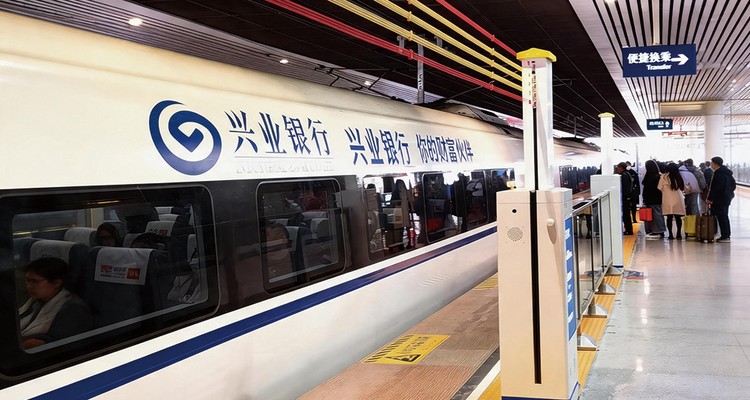
To explore the full specifications of the guardrail system, visit the automatic platform guardrail product page or contact UPARK for project-specific consultation.
call us :
+86 18206096507 e-mail : [email protected]




 ipv6 network supported