Thousands of railway stations worldwide were built decades before modern platform safety systems existed. Upgrading these stations to meet contemporary safety standards presents a significant challenge. How do you install safety equipment without shutting down station operations or requiring prohibitively expensive civil works? The automatic platform guardrail from UPARK is specifically designed to address this challenge through its no-drainage, retrofit-friendly architecture.
Why Platform Safety Retrofitting Is Difficult
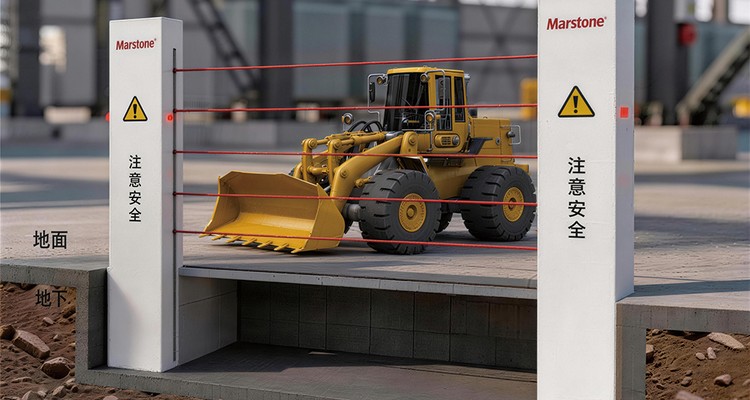
Most existing railway stations were not designed with provisions for platform-edge safety systems. Installing platform screen doors typically requires structural reinforcement of the platform edge, extensive drainage works, major electrical upgrades, and extended station closures. For operators of older stations, especially those on heritage lines or with constrained renovation budgets, the cost and disruption often make safety upgrades financially unviable.
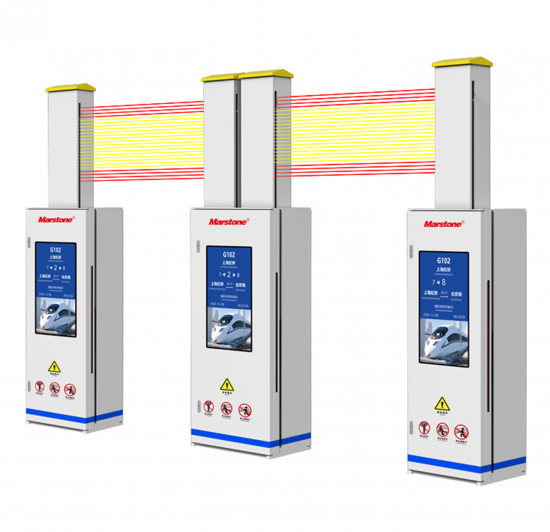
The automatic platform guardrail was engineered from the ground up to overcome these barriers. Its design philosophy prioritizes simplicity of installation while maintaining the full safety capabilities of more complex systems. The result is a solution that can be retrofitted into existing stations at 60 to 70 percent less cost than a PSD installation.
The No-Drainage Advantage
One of the most significant installation advantages is that the guardrail requires no drainage system. Traditional hydraulic safety systems need drainage infrastructure to manage fluid leaks and condensation, which requires excavation of the platform and connection to station drainage networks. In older stations, this excavation can damage existing utilities, weaken the platform structure, and require costly repairs. The guardrail uses an electromechanical drive with no hydraulic fluid, eliminating the need for drainage entirely. This single design decision removes one of the largest cost and complexity barriers to retrofitting platform safety systems.
Self-Contained Unit Architecture
Each guardrail unit is self-contained, with its own motor, control electronics, and safety sensors. This contrasts with hydraulic systems that require a central power unit connected by fluid lines to each barrier. The self-contained design means no central power unit to install and house, no fluid lines to route through the platform, no risk of fluid leaks damaging the platform structure, and individual unit replacement without affecting other units. The 36V safe voltage also simplifies electrical compliance, as it falls within low-voltage safety standards that do not require the same level of electrical protection as mains-voltage systems.
Phased Deployment Without Station Closure
The retrofitting process is designed to work in sections, allowing portions of the platform to remain operational while installation proceeds in other areas. The self-contained unit design means that once a section is installed and tested, it can begin operation immediately while work continues elsewhere on the platform. This phased approach is particularly valuable for high-traffic stations where complete closure is not feasible. The Singapore LRT case study demonstrates how platform barrier systems can be deployed in fully operational transit environments.
Integration with Existing Signaling Systems
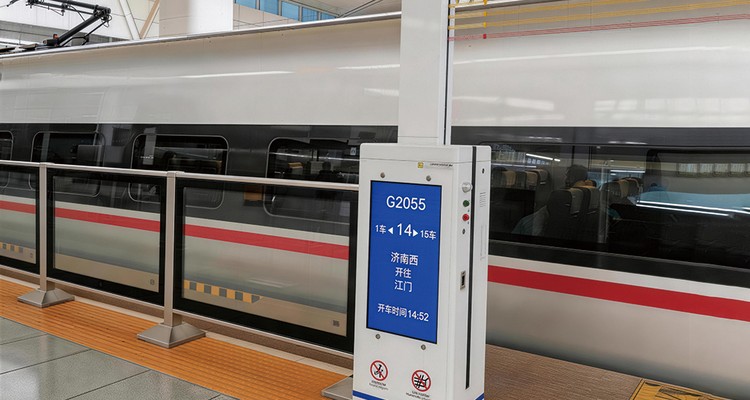
The control device is designed to integrate with common railway signaling systems. The guardrail receives train approach, arrival, and departure signals and coordinates its movement accordingly. The visual traffic light system provides passengers with clear guidance that supplements existing platform announcements and signage. For stations with existing safety line markings, the guardrail is installed at the same position, maintaining consistency with passenger expectations. The infrared detection system adds an active monitoring layer that painted safety lines cannot provide.
Installation Timeline and Cost
Compared to platform screen door retrofits, the guardrail approach offers dramatic time and cost savings. The elimination of structural reinforcement, drainage works, and major civil excavation reduces capital costs by 60 to 70 percent. Installation timelines compress from months to days or overnight maintenance windows. The 10+ year maintenance-free design and low power consumption ensure that operational costs remain minimal over the system lifetime. For operators balancing safety against limited budgets, the guardrail retrofit represents the practical path to platform safety.
Getting Started with a Retrofitting Project
The retrofitting process begins with a site assessment covering platform structure, existing utilities, train types and door configurations, and signaling integration requirements. Foundation preparation follows, with shallow foundation works at intervals matching the guardrail units. The guardrail exterior is customizable to match station aesthetics, an important consideration for heritage stations and architectural preservation projects.
To discuss retrofitting options for your stations, visit the automatic platform guardrail product page or contact UPARK for a project consultation. Also see our comparison of barrier types for additional context on selecting the right solution for your station profile.
call us :
+86 18206096507 e-mail : [email protected]




 ipv6 network supported