Railway operators in cold-climate regions face a unique set of challenges when it comes to platform safety. Ice, snow, and sub-zero temperatures can disable conventional safety equipment, leaving passengers vulnerable during the most dangerous months of the year. The automatic platform guardrail from UPARK is specifically engineered to operate reliably at temperatures as low as -40C without requiring any heating devices.
The Cold-Weather Challenge for Platform Safety
Traditional platform safety systems rely on hydraulic or pneumatic mechanisms that are vulnerable to cold-weather failures. Hydraulic fluid thickens at low temperatures, causing sluggish response times or complete system failure. Pneumatic systems suffer from condensation freezing in air lines. Even electrical systems can fail if not specifically designed for extreme cold. For railway operators in Scandinavia, Russia, Northern China, Canada, and the northern United States, these failures are seasonal realities that put passenger safety at risk during winter months when platform safety is most critical.
The Electromechanical Advantage
The UPARK platform guardrail uses an electromechanical transmission structure that is inherently cold-resistant. Unlike hydraulic systems that depend on fluid viscosity, the electromechanical drive uses a motor and mechanical gear assembly that operates independently of ambient temperature. There is no hydraulic fluid to thicken or freeze. The sealed bearings use low-temperature grease that maintains smooth operation across the full -40C to +40C range. The IP54 protection rating prevents ice and snow from infiltrating the mechanism.
The elimination of heating requirements provides both capital and operational cost savings. Compounding systems that require heating elements need additional electrical infrastructure, thermostatic controls, and redundant heating circuits. The annual energy cost of heating a platform-length safety system is substantial in regions where winter lasts four to six months. By operating without heat, the guardrail reduces both installation complexity and ongoing energy costs.
Proven Reliability in Extreme Conditions
The electromechanical drive has been tested for over 250,000 continuous operation cycles without failure, providing 10+ years of maintenance-free service. In cold-climate installations, this reliability is particularly critical because winter maintenance access to platform-edge equipment is often complicated by snow, ice, and limited working hours. The system also features dual emergency release mechanisms that function in cold conditions: automatic descent on power failure is gravity-driven rather than motor-dependent, and the manual release rope operates mechanically regardless of temperature. Both achieve full opening within five seconds.
Winter-Specific Safety Features
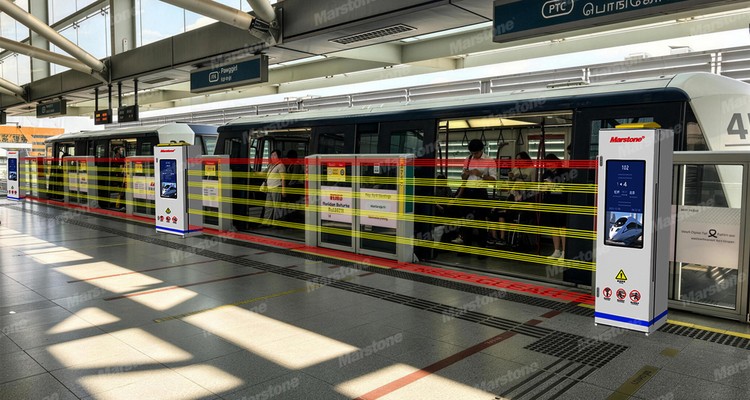
Several features make the guardrail system particularly suitable for winter deployment. The EN 13231-3 certified impact resistance of 300 kg is maintained at low temperatures, which is critical because materials can become brittle in extreme cold. The intelligent infrared detection system continues to monitor the safety line even in snowy conditions, triggering visual and audible alarms when passengers approach the barrier during periods of reduced visibility. The visual traffic light system provides clear red and green indication that remains visible through snow and fog.
Installation in Cold Regions
Installation in cold regions requires attention to foundation design. The guardrail system does not require a drainage system, which simplifies installation in areas where frost heave can damage underground drainage infrastructure. The electromechanical drive is self-contained within each unit, eliminating the need for central power units or fluid lines that would be vulnerable to freezing. For retrofitting projects on existing platforms, the guardrail can be installed without major civil works, making it practical to upgrade stations that were not originally designed with platform safety systems.
Applications in Cold-Climate Transit
The -40C guardrail is suitable for cold-climate transit applications spanning high-speed rail platforms, regional railway stations, light rail and tram stops, and outdoor sections of metro systems. Operators evaluating different barrier types for cold-climate use should review our barrier type comparison and the Singapore LRT operational case study for broader deployment context.
Total Cost of Ownership in Cold Climates
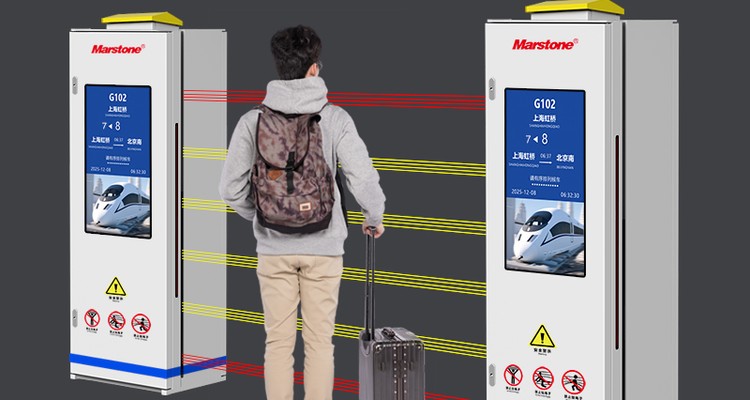
The combination of no heating requirement, 10+ years maintenance-free operation, and low power consumption (under 10 watts standby) results in significantly lower total cost of ownership. Over a 30-year lifecycle in a cold-climate region, the savings from eliminated heating systems and reduced maintenance visits alone can offset much of the initial equipment cost. For operators managing dozens of stations across northern regions, this advantage multiplies across the network.
To discuss cold-climate deployment specifics or request a project consultation, visit the automatic platform guardrail product page or learn more about UPARK manufacturing capabilities.
call us :
+86 18206096507 e-mail : [email protected]




 ipv6 network supported