Always-On vs On-Demand: Why Bollards Win for Daily Access Control Security solutions fall into two broad categories: always-on and on-demand. Always-on means the system is protecting the site every second of every day. On-demand means it needs to be activated, deployed, or positioned before it provi...
After-Impact Recovery: Bollard Repair vs Replacement Explained One argument frequently made by mobile barrier manufacturers is that bollards require complete replacement after a vehicle impact while portable barriers are simply repositioned and reused. Like many competitive talking points, this cont...
Vehicle Ramming Attacks and Bollards: How Fixed Protection Saves Lives Vehicle ramming attacks are not a new threat, but they have become the most common form of mass-casualty urban terrorism in the past decade. A truck, van, or SUV — easily rented, hard to trace, requiring no explosives expertise —...
The Bourbon Street Lesson: Why Bollard Maintenance and Redundancy Matter In January 2025, a vehicle struck pedestrians on Bourbon Street in New Orleans, an area that was supposed to be protected by bollards. The bollards were not functioning. They had been removed for maintenance and not reinstalled...
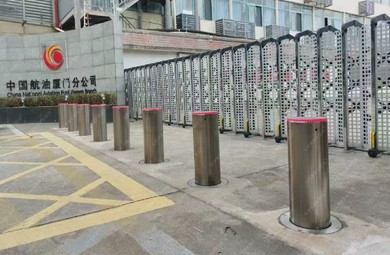
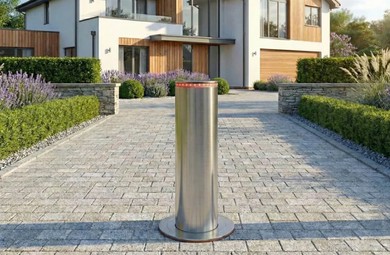
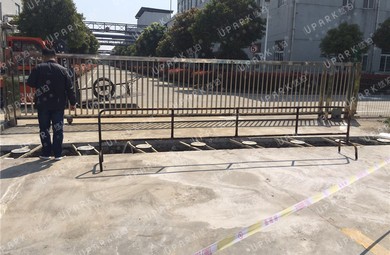
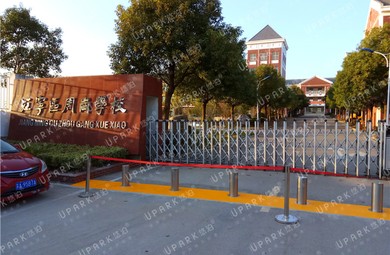
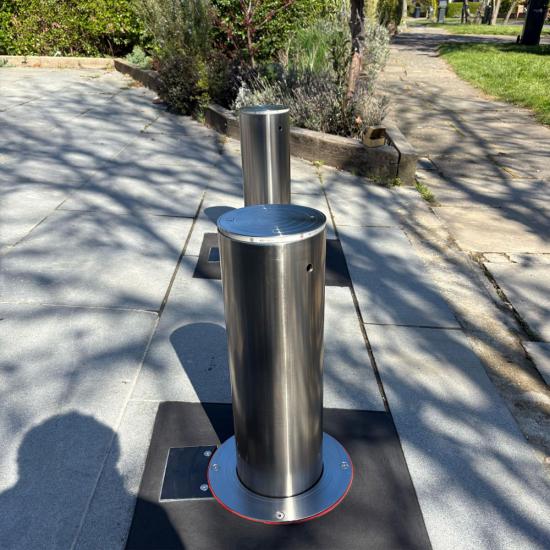
Bollards vs Mobile Barriers: When Permanent Protection Wins In perimeter security circles, a debate has emerged between two schools of thought: permanently installed bollards and portable mobile barriers. Both products can stop a vehicle at speed. Both hold crash-test certifications under PAS 68, IW...
Fixed Bollards vs Portable Barriers: A 10-Year Cost Comparison Security procurement is often dominated by upfront price. A set of portable barriers appears cheaper than the excavation, concrete work, and wiring required for permanent bollards. But security assets are not a one-time purchase. They ar...







 ipv6 network supported