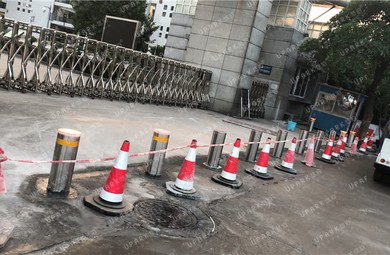
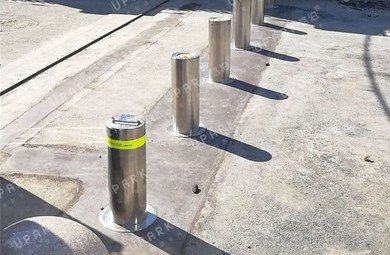
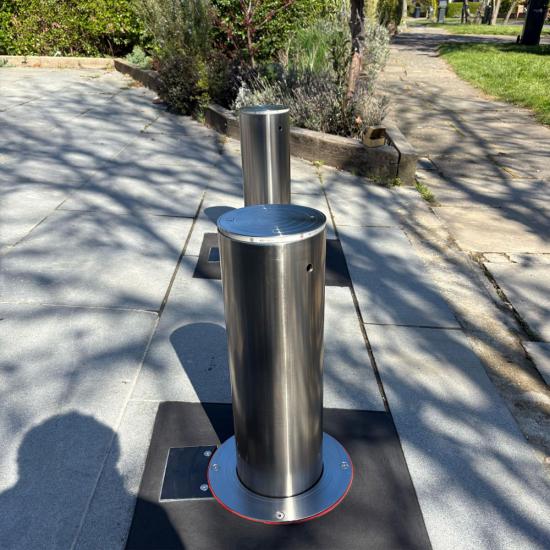
Installing security bollards has traditionally meant weeks of civil work: digging trenches, laying power cables, restoring pavement, and dealing with drainage concerns. For many site managers, this upfront disruption is the single biggest barrier to upgrading perimeter security. UPARK's battery-powe...
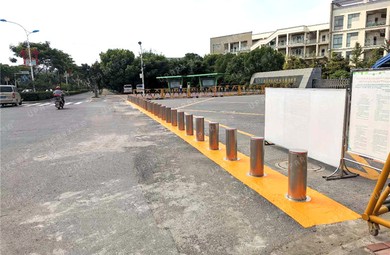
Automatic bollards are no longer just a nice-to-have feature at building entrances. In many industries, they are a required part of the security and traffic management system. UPARK has delivered bollard solutions to ten major industry sectors, each with its own operational challenges and regulatory...
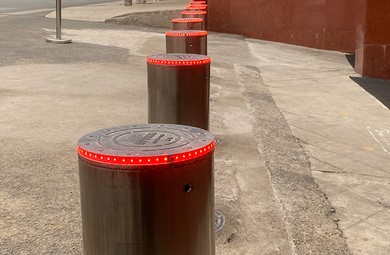
If you have ever dealt with a bollard failure caused by water ingress or an electrical safety incident, you know that specifications on paper are not enough. The actual design details determine whether a system keeps working after a heavy rain or a vehicle impact. UPARK's automatic bollards are buil...
When it comes to vehicle access control and perimeter security, experience matters. UPARK has been specializing in automatic bollards and related security products since 2004, building up two decades of hands-on manufacturing and engineering expertise that you can count on. Based in Xiamen, China, U...
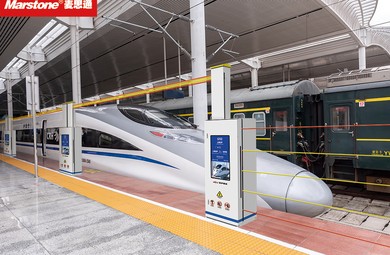
Singapore's Light Rail Transit (LRT) network serves as the feeder backbone for the city-state's public transport system. Operating across three lines with 43 stations, the LRT faces a challenge that many metro operators recognize: how to improve platform safety without the cost and disruption of ful...
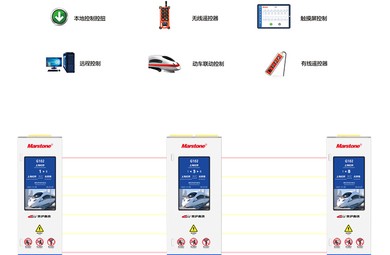
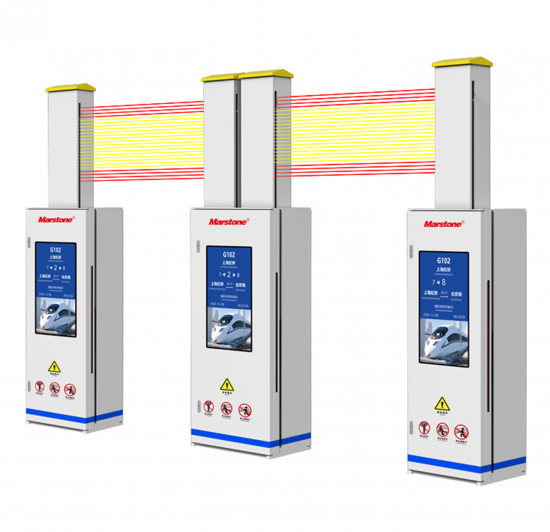
Platform barriers come in more forms than most procurement teams realize. When a tender calls for "platform edge protection," suppliers may respond with fundamentally different products, each with distinct trade-offs in safety profile, installation requirements, cost, and long-term maintenance. Unde...





 ipv6 network supported