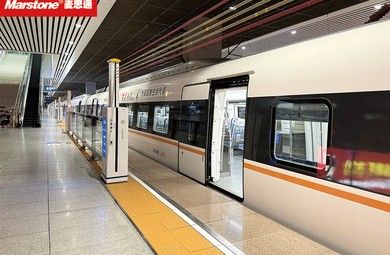
Thousands of railway stations worldwide were built decades before modern platform safety systems existed. Upgrading these stations to meet contemporary safety standards presents a significant challenge. How do you install safety equipment without shutting down station operations or requiring prohibi...
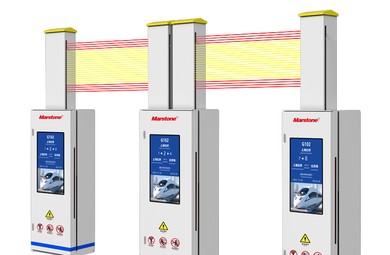
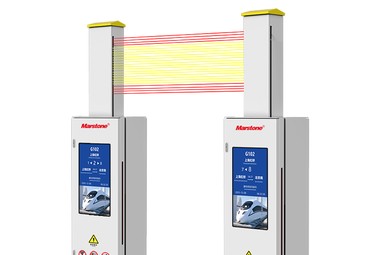
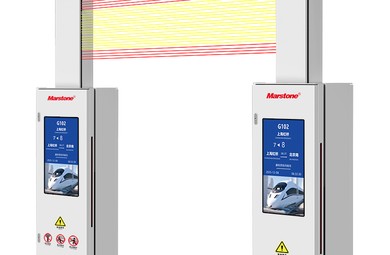
When transit operators decide to upgrade platform safety, the choice often comes down to two options: automatic platform guardrails or full-height platform screen doors (PSDs). Both systems prevent passengers from accessing the track area, but they differ dramatically in cost, installation complexit...
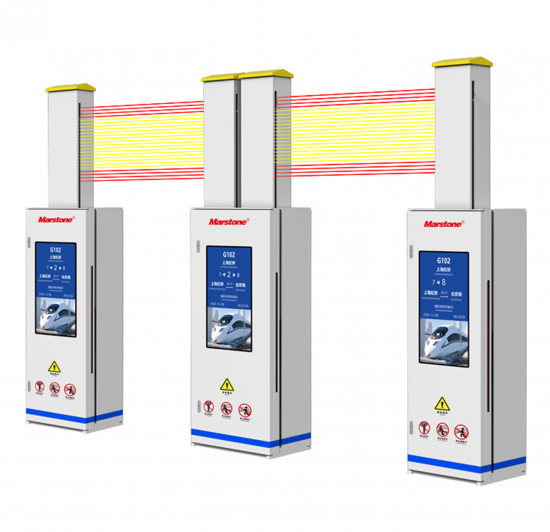
Railway platform safety is one of the most pressing challenges in modern transit infrastructure. Every year, thousands of passenger incidents occur on railway platforms worldwide, from accidental falls onto tracks to collisions with arriving trains. The automatic platform guardrail system developed ...
Railway operators in cold-climate regions face a unique set of challenges when it comes to platform safety. Ice, snow, and sub-zero temperatures can disable conventional safety equipment, leaving passengers vulnerable during the most dangerous months of the year. The automatic platform guardrail fro...
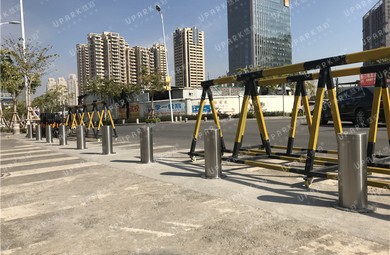
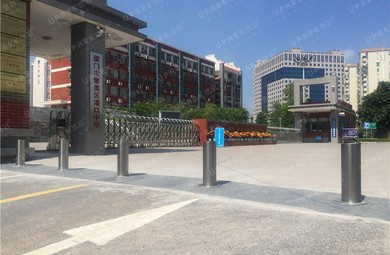
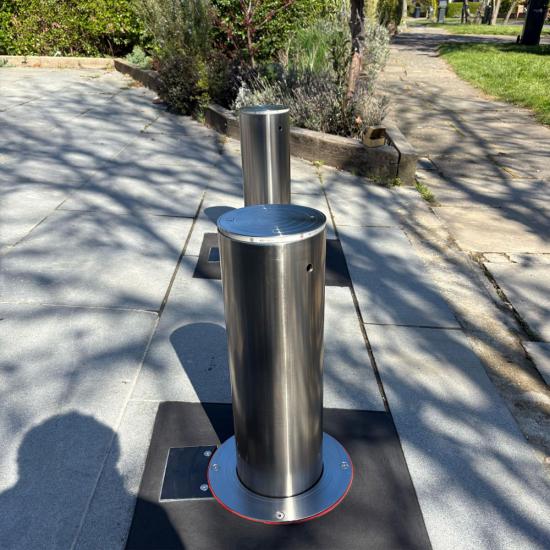
When procurement teams evaluate automatic bollard systems, the unit price of the bollard itself is only one line item in a much larger cost picture. The real decision lives in total cost of ownership — what you will spend from initial site preparation through a decade of operation. Here is how batte...
Security requirements do not stop where the power grid ends. Remote checkpoints, rural substations, pipeline valve stations, and isolated infrastructure assets all demand the same level of access control as urban facilities. UPARK's solar-integrated battery bollards bring automatic perimeter protect...





 ipv6 network supported