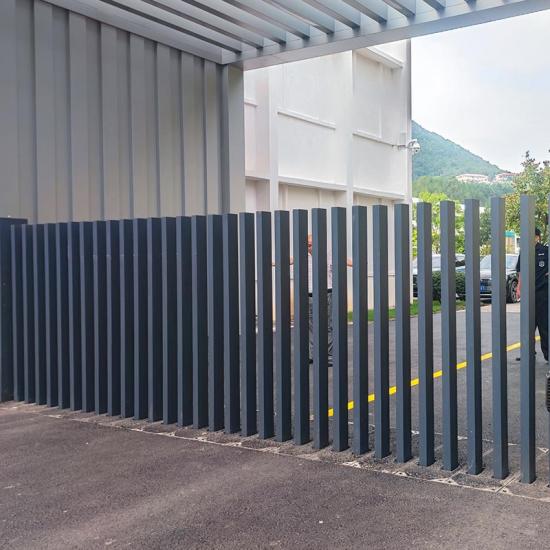
The autumn holiday asks a retractable fence gate to do two opposite jobs. Before you leave, the entrance is busy and the gate opens and closes more than usual. Then, for several days, it sits almost untouched, wet from autumn rain, with nobody watching it. Because an automatic retractable fence gate...
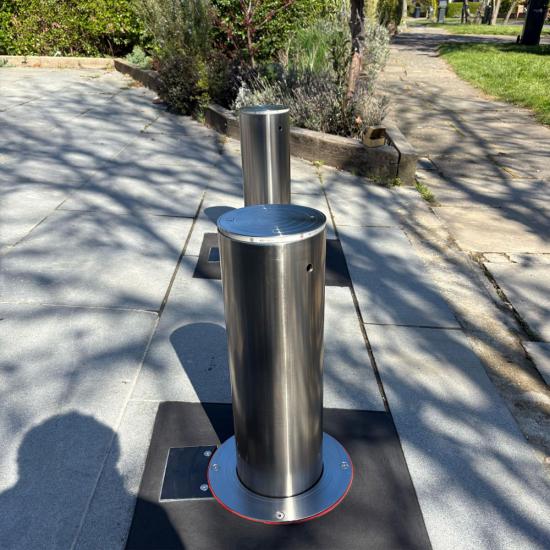
The Mid-Autumn Festival and National Day fall close together this year, and for most sites that means two things at once: a burst of traffic at the entrance, and then several quiet days when almost nobody is on site. An automatic bollard that runs all year rarely fails on an ordinary Tuesday. It ten...
Controlling which vehicles drive onto a site sounds straightforward until you have to buy the hardware. Three options show up in almost every specification: automatic bollards, boom barrier arms, and gates. They all stop cars, but they stop them in very different ways, and the wrong pick creates pro...
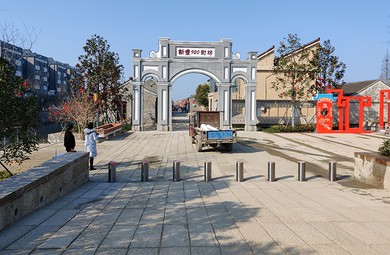
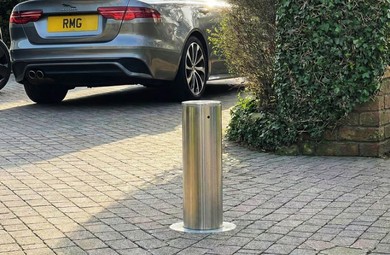
For a long time, security meant ugly. Concrete blocks, tall fences, and bollards that looked like they belonged in a car park. Planners and developers now want protection that does not wreck the character of a place. Retractable automatic bollards have become a quiet part of that shift, because they...
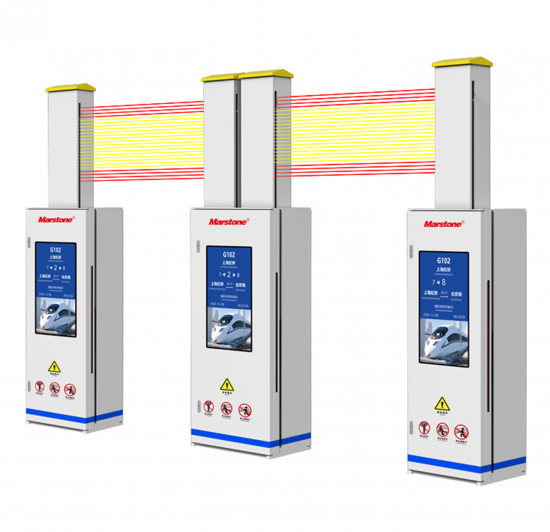
Automatic bollards stop vehicles, but they do not act alone. Behind every clean rise and fall is a control cabinet that decides when to move, how fast, and what happens when the power flickers. The WM-1 control cabinet is the linkage hub that turns a pair of standalone bollards into a single, coordi...
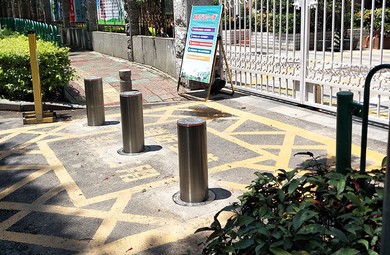
Teacher's Day is when we thank the people who spend their days with our kids. Cards, flowers, a nice lunch. All good. But the kind of safety that actually matters at a school isn't something you can wrap. It's the line at the edge of the pavement that keeps a two-ton vehicle from ever reaching the p...






 ipv6 network supported